Column: Risks to Western aluminum supply rise as Iran war escalates
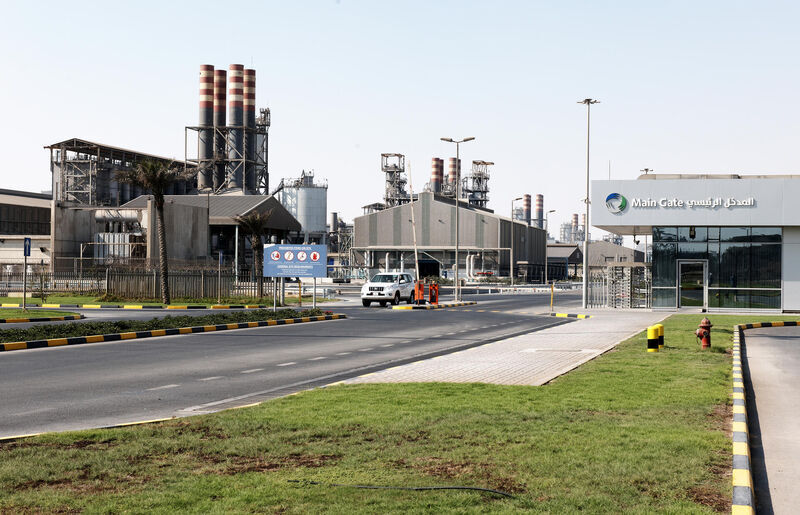
It is not just oil and gas that flow through the Strait of Hormuz, the Gulf’s key shipping choke point now threatened by the war with Iran.
The region is also a significant producer of aluminum, accounting for over 8% of global output last year, according to the International Aluminium Institute (IAI).
Over 5 million metric tons of metal are shipped through the Hormuz Strait each year by smelters in Bahrain, Qatar, Saudi Arabia and the United Arab Emirates. Huge amounts of bauxite and alumina travel the other way to feed the smelters.
None of these plants has yet been directly targeted in the escalating hostilities. But Qatar Aluminium, jointly owned by Norway’s Norsk Hydro and QatarEnergy, already faces possible closure because power supplies have been hit by the halt to the country’s liquefied natural gas production.
The longer the Strait of Hormuz is blocked, the greater the threat to Western manufacturers.

Key Western supplier
The Middle East has emerged as a major aluminum production hub over the last two decades, leveraging the region’s huge gas reserves to power the energy-intensive smelting process.
Gulf Cooperation Council (GCC) output has grown from 2.7 million tons in 2010 to 6.2 million last year, making it now the second largest regional supplier outside of China.
Actually, make that the largest.
The IAI’s production figures for Europe, the largest regional non-Chinese production hub on paper, include some 4 million tons of annual Russian metal.
Russian aluminum can’t be imported to the US due to Ukraine sanctions and the European Union is phasing out imports this year for the same reason.
Taken together, that makes GCC producers a core component of Western supply of a metal used across a wide spectrum of industries from automotive and construction to packaging.
Multiple channels
The potential impact on Western buyers runs down multiple channels.
Gulf smelters don’t just export primary aluminum. They are also major producers of bespoke alloys and feed local clusters of semi-manufactured product plants.
Bahrain, which hosts a 1.5-million-ton capacity smelter, exported over 1 million tons of alloy, 500,000 tons of products and 160,000 tons of virgin metal last year, according to the World Bureau of Metal Statistics, which uses official customs data.
Exports flowed to 70 different countries, including significant quantities to Europe and the US.
The diversity of product and destination means that any protracted halt to either regional production or export flows would hit multiple countries and multiple parts of the processing chain.
Vulnerable market
The aluminum market is as vulnerable as it’s been for many years to such supply disruption.
China, the world’s largest producer, has seen growth in both output and exports slow as its smelter sector runs up against Beijing’s capacity cap of 45 million tons.
Western buyers, particularly those in Europe, have been squeezed by the phase-out of Russian imports, the closure of the Mozal smelter in Mozambique, and the production hit to Century Aluminum’s Grundartangi smelter in Iceland.
London Metal Exchange (LME) inventory, including metal in off-warrant storage, fell by 331,000 tons last year and is down another 84,000 tons since the start of January.
LME aluminum prices had already been rising before the Iran crisis hit with full force.
Tuesday’s news that Qatar Aluminium may be facing a suspension of operations has lifted three-month metal to $3,315 per ton, within striking distance of January’s near four-year high of $3,356 per ton.
Power threat
While Western aluminum buyers are facing an immediate supply shock, there is likely to be a second one in the form of higher energy prices.
One reason why GCC production has become so important to the Western market is the closure of other smelters due to high power prices. The Mozal plant in Mozambique, a major supplier to the European market, is a case in point.
Europe itself has lost several plants in the wake of the power price surge that followed Russia’s invasion of Ukraine four years ago.
Another energy shock is the last thing Western aluminum producers need.
And the last thing Western buyers need is a loss of supply from producers sitting on the wrong side of the Strait of Hormuz.
(The opinions expressed here are those of the author, Andy Home, a columnist for Reuters.)
(Editing by Marguerita Choy)
More News

{{ commodity.name }}
{{ post.title }}
{{ post.date }}

Comments