Qatar smelter shutdown exacerbates Iran war aluminum fears
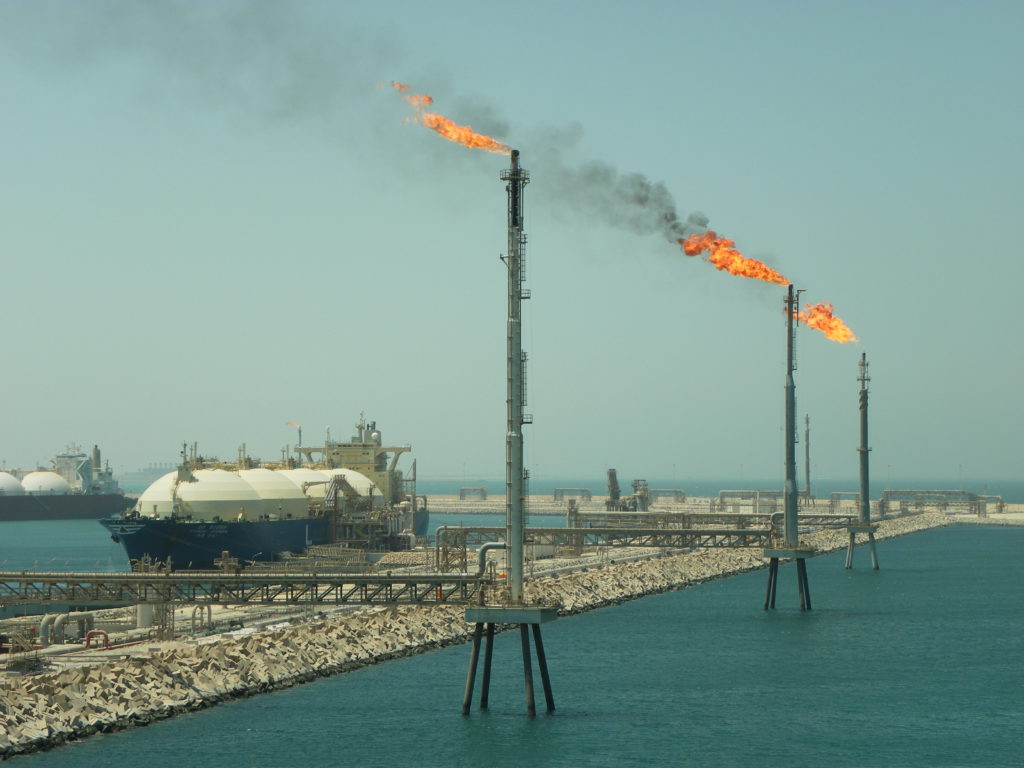
The impact of the US-Israeli attacks on Iran on the aluminum sector deepened on Tuesday after Qatari smelter Qatalum began to shut down and shareholder Norsk Hydro issued a force majeure to customers.
“The decision to shut down was made after the company’s gas supplier informed it of a forthcoming suspension of its gas supply,” Hydro, which holds 50% of the Qatalum joint venture, said in a statement on Tuesday.
QatarEnergy, which owns 51% in the other Qatalum shareholder, Qatar Aluminum Manufacturing Co, had earlier said it was halting production of some downstream products, including aluminum, a day after suspending liquefied natural gas production due to Iranian drone attacks.
Implications unclear
Hydro said the shutdown of the 648,000 metric ton per year smelter was expected to be completed by the end of March and that a full restart could take six-to-12 months. “Hydro has issued a force majeure notice to its Qatalum customers,” it added. Force majeure is a clause that frees parties from liability if any failure to meet supply obligations is due to events beyond their control.
Qatalum did not respond to a request for comment.
Aluminum prices on the London Metal Exchange were up 2% at $3,259.50 a ton as of 17:45 GMT.
European aluminum premiums, paid on top of LME prices for physical metal, have risen to $378 a ton for March and $428 for April, the highest levels in 3-1/2 years. Qatar accounted for less than 1% of the EU’s primary aluminum imports in 2025, according to data from Trade Data Monitor.
Still, traders said the Qatar stoppage raised fears others in the region would also soon stop producing. Gulf Cooperation Council countries supplied 8% of the world’s aluminum last year.
“The region is both a significant producer and exporter of aluminum by sea and also relies on imports of bauxite and alumina to keep smelters running,” Morgan Stanley said in a note.
Kpler’s lead metals analyst Ben Ayre put the GCC’s average monthly alumina imports at 680,000 tons. Only 61,000 tons of alumina on the water bound for the region’s smelters are already in the Gulf, he said. Another 57,000 tons destined for Oman would not need to pass through the Strait of Hormuz, which is effectively closed for shipping.
Meanwhile, almost 10% of aluminum inventories in the LME warehousing network, 45,325 tons, were ordered to be removed from storage in Port Klang, Malaysia, exchange data showed on Tuesday, suggesting traders are looking to cash in on supply shortages.
(By Terje Solsvik, Tom Daly and Pratima Desai; Editing by Stine Jacobsen, Louise Heavens and Barbara Lewis)
More News

{{ commodity.name }}
{{ post.title }}
{{ post.date }}
Comments