Congo sees no major threat from Middle East crisis to copper, cobalt output
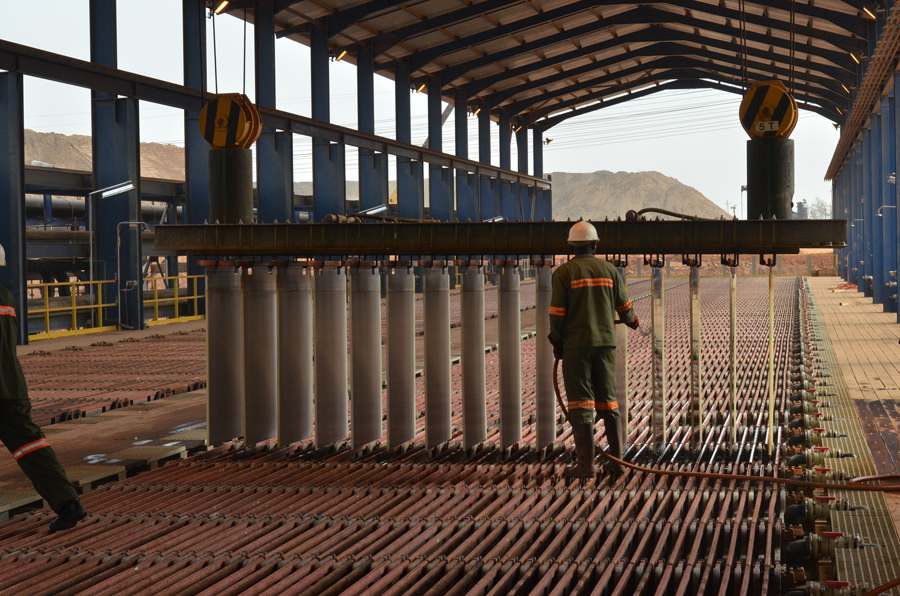
Democratic Republic of Congo does not expect significant disruptions to copper and cobalt production this year due to chemical supply constraints stemming from conflict in the Middle East, a senior mining official told Reuters.
The US-Iran conflict that broke out on February 28 and has largely drawn to a halt after last month’s interim peace treaty, has disrupted sulfuric acid supplies, an essential input for copper and cobalt production.
Zambia, a major supplier to Congo, has curbed sulfuric acid exports to prioritize domestic users, prompting some Congolese miners to assess potential output reductions after record first-quarter exports, Reuters previously reported.
The world’s top cobalt producer and second-largest copper miner exported 823,887 metric tons of copper in the quarter, up 4.8% from a year earlier, official data showed.
Cobalt hydroxide exports soared 24.5% to 51,940 tons, or about 17,054 tons of cobalt metal, in the quarter, while gold exports totaled 6.3 tons, valued at $732 million.
“At this stage, we have not observed any major impact on national production related to the supply of mining inputs,” said Grace Mabaya, a senior official in the Mines Ministry.
The outlook for the rest of 2026 remains broadly positive, supported by strong copper demand and stable mining operations, Mabaya said, adding that most miners have long-term supply contracts, maintain strategic inventories or source chemicals from regional suppliers, limiting the risk of major production losses.
Still, he would not rule out higher costs and longer delivery times if disruptions persist.
Congo’s cobalt exports are increasingly shaped by government quotas and export controls, according to Mabaya, as Congo pushes reforms to exert greater influence over the market.
China’s CMOC remained the largest exporter during the first quarter, while Glencore was also a major contributor to copper and cobalt shipments.
(By Fiston Mahamba and Maxwell Akalaare Adombila; Editing by Andrei Khalip)
More News

Canada unleashes wave of oil drilling permits in next big play
July 06, 2026 | 08:19 am
Congo sees no major threat from Middle East crisis to copper, cobalt output
July 06, 2026 | 07:30 am

{{ commodity.name }}
{{ post.title }}
{{ post.date }}
Comments