Japan buyers agree on higher aluminum fees Due to war disruption
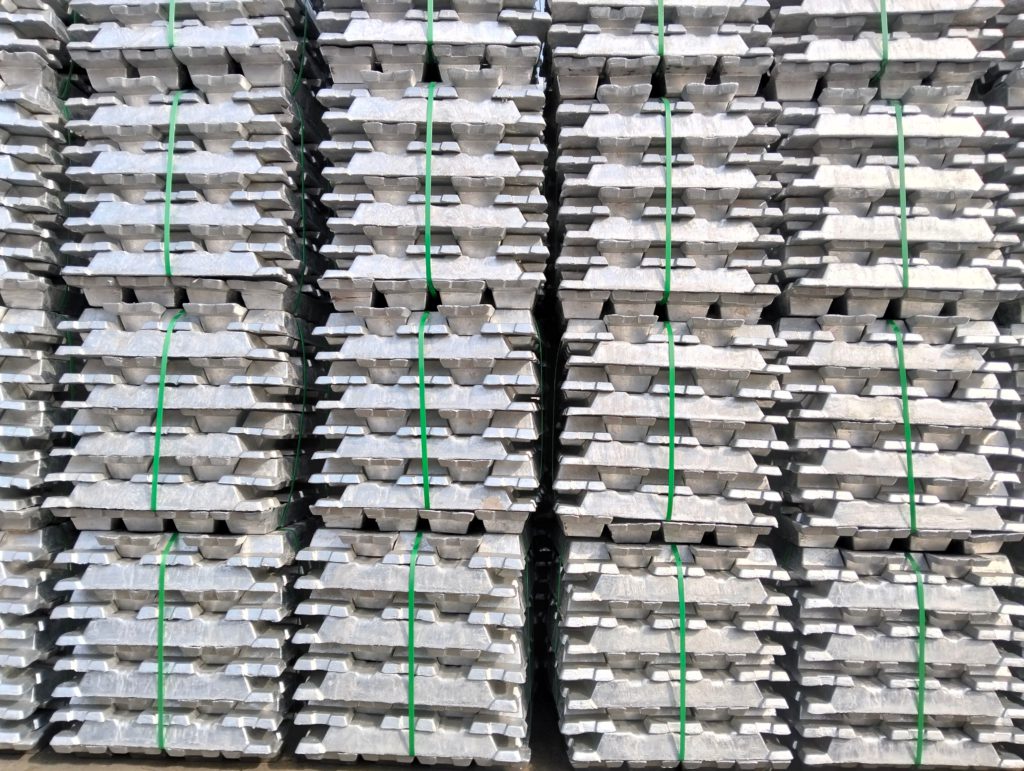
Aluminum buyers in Japan, where the automobile industry is heavily dependent on metal imports, agreed to pay a sharply higher premium for third-quarter shipments after two producers lowered their initial demands.
Rio Tinto Group and South32 Ltd. reached an agreement with at least one Japanese customer to set the third-quarter premium at $395 a ton over London Metal Exchange prices, according to traders familiar with the negotiations. The fee, while above second-quarter levels, was less than suppliers’ initial offers of more than $400 a ton, they said, asking not to be named as the discussions are private.
Japan’s reliance on the Middle East for high-end aluminum is forcing companies to cut back on production and scramble for alternative supplies, leaving it vulnerable to demands for higher prices from producers. The agreed fee compared with a premium of $350 a ton for second-quarter shipments from Rio Tinto and $353 a ton from South32.
Rio didn’t immediately respond to a request for comment, while South32 declined to comment. The two companies initially offered premiums of between $460 and $480 a ton, the traders said.
There looks to be some relief coming for Japanese buyers, however. While the longer-term outlook for aluminum is bullish, traders say sentiment is weakening in the short term as supply conditions improve. That also helps explain why aluminum has retreated nearly 20% on the LME after climbing to a four-year high a month ago.
Emirates Global Aluminium, the Middle East’s top producer of the metal and a major supplier to the Japanese market, said this week that it aimed to speed up resumption of output at its Abu Dhabi facility that was damaged during the Iran war, with repairs of the main smelter ongoing.
About 7% of the aluminum production pots at the company’s Al Taweelah smelter are back online, Emirates Global’s chief financial officer Pal Kildemo said in an interview. The company is exporting metal by drawing down inventories and aims to get stockpiles back to normal levels by the end of the year, he said.
In China, some smelters and merchants have been maximizing overseas sales of stranded aluminum wire, typically used in power cabling for its strength and flexibility, and the buyers included Korean and Japanese firms, according to Chinese customs data. Much of the wire being shipped is probably being remelted abroad into aluminum ingots, which China has largely stopped exporting directly due to tariffs, traders have said.
(By Alfred Cang)
More News
Japan buyers agree on higher aluminum fees Due to war disruption
July 03, 2026 | 09:04 am
{{ commodity.name }}
{{ post.title }}
{{ post.date }}
Comments