Japan’s Sojitz eyes Southeast Asia for new rare earths supply
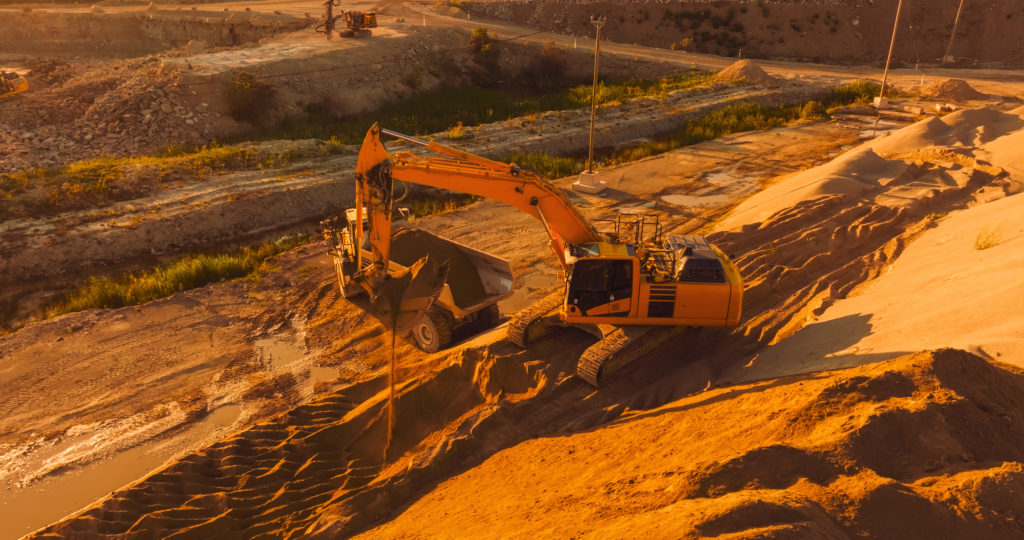
Japanese trading house Sojitz Corp. is looking to Southeast Asia and other regions as new potential sources of rare earths outside Australia, as it aims to boost output and diversify its supply chain of the highly sought-after materials.
“Areas connected to southern China such as Laos, Cambodia and Vietnam will be potential regions that the company will look into,” chief financial officer Makoto Shibuya told Bloomberg News this week. The company will also consider India and other countries if suitable rare earths investment opportunities exist there, he added.
Rare earths are among the critical minerals used across high-tech manufacturing, including to build the powerful magnets used in electric vehicles, mobile phones and missile systems. China dominates the global supply chain for the materials, which has given it crucial leverage in trade and diplomatic negotiations, and countries including Japan are working to reduce their reliance on the Asian giant.
Sojitz, alongside Tokyo-backed energy agency Jogmec, has been in a joint venture with Australia-based Lynas Rare Earths Ltd. for more than a decade. They agreed in mid-March to start talks on mineral exploration and development of rare earth resources, including possible new mines “both in and outside Australia.” Sojitz has said its primary objective is to seek other sources besides Lynas’ major mining site at Mt. Weld in Western Australia.
As for its energy portfolio, Sojitz has no appetite either for a stake in the Alaska LNG project or to offtake volumes from the planned American venture as it’s simply too costly, Shibuya said. The proposed Alaska plant is backed by US President Donald Trump and often dismissed as fanciful by many in the industry.
Energy accounts for only around 10% of Sojitz’s total investments over the past decade and management has already been trimming that part of the business. Liquefied natural gas is one of its few remaining energy-related investments, but the company says it will only pursue projects that have been carefully scrutinized.
Japan’s government last year agreed with Washington to invest $550 billion in the United States, including possibly in the Alaska LNG project, in exchange for reducing tariffs on Japanese products to 15%.
(By Yusuke Maekawa and Koh Yoshida)
More News
{{ commodity.name }}
{{ post.title }}
{{ post.date }}
Comments