New rare earth supply falls short of rising global demand from EVs and defense, BI says

A wave of new rare earth supply this decade won’t be enough to meet rising global demand, setting the stage for shortages and stronger pricing power for dominant supplier China and the handful of producers outside the Asian nation, according to a report from Bloomberg Intelligence.
Governments around the world are pushing to loosen Beijing’s dominance over rare earth minerals needed for magnets used in vehicles, consumer electronics and defense technology. But even with billions of dollars in public funding for non-Chinese miners, supply deficits for the critical materials are still on the horizon, BI said.
The report, published Monday, expects demand for key rare earth elements to climb about 7% annually through 2030, fueled by growth in electric-vehicle motors, consumer electronics and military uses.
Output from non-Chinese producers, meanwhile, is projected to more than quadruple. Those producers, such as MP Materials Corp. and Lynas Rare Earths Ltd., are likely to ramp up output thanks to a raft of public funding from governments including the Trump administration, according to the report.
Still, “shortages will persist even as public and private rare earth producers are poised to attract public funding worth $10 billion in 2026 alone via government capital injections, improved mine economics and fast-tracked permitting,” analysts Jack Baxter and Richard Bourke wrote.
The report predicts that China’s dominance over the rare earths industry will slip by 2030. The country’s market share of neodymium-praseodymium, or NdPr — a crucial rare earth element used in heavy-duty magnets — is expected to drop by 21 percentage points.
BI said growth outside China, which is forecast to lift NdPr supply by 41% by 2030, will be largely driven by mining operations in North America and Australia, such as assets owned by MP Materials and Lynas. Still, the report notes that much of the new non-Chinese output is already committed, limiting flexibility in the market and reinforcing the likelihood of shortages.
(By Jacob Lorinc)
More News
Lithium recovery has legs as demand outlook improves, SQM says
Gross profit for the quarter climbed 52.7% to $448.5 million.
March 02, 2026 | 08:16 am
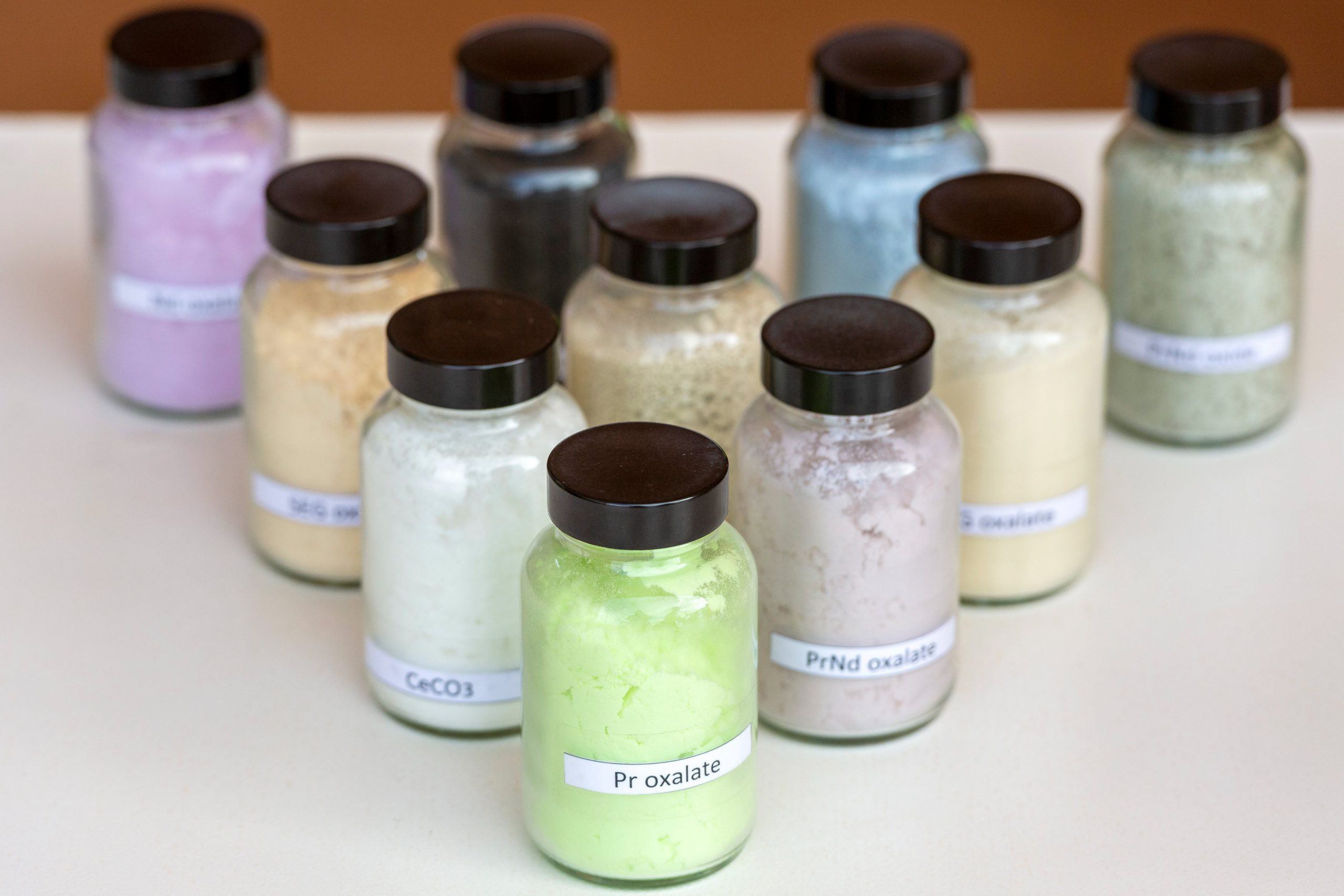
New rare earth supply falls short of rising global demand from EVs and defense, BI says
March 02, 2026 | 07:33 am

{{ commodity.name }}
{{ post.title }}
{{ post.date }}



Comments