Turkey eyes $135 billion gold reserves for lira defense
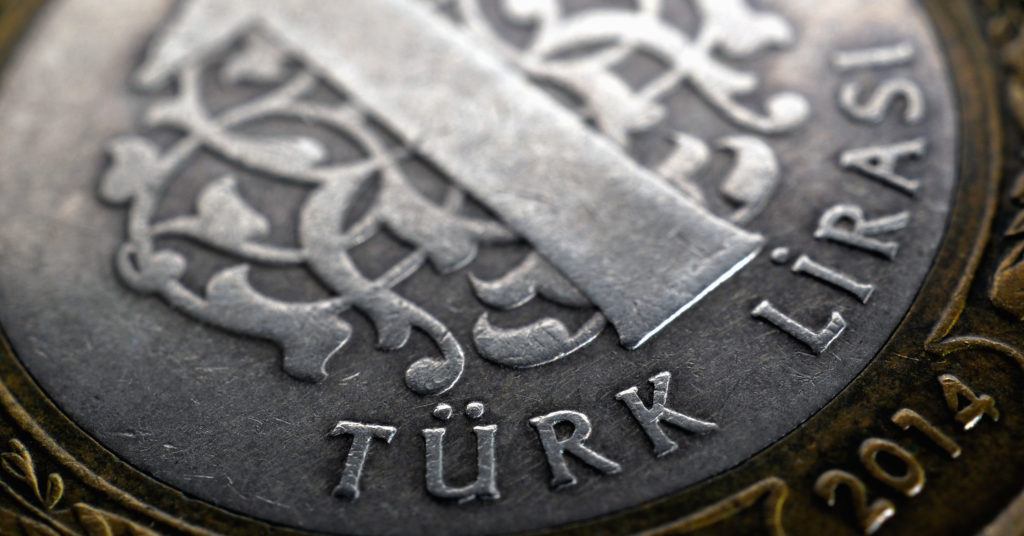
Turkey’s central bank is preparing an expanded toolkit to defend the lira from Iran war-related volatility that includes potentially tapping its vast gold reserves, according to people familiar with the matter.
The bank has held discussions about conducting gold-for-foreign currency swap transactions in the London market, the people said, asking not to be named because the deliberations are private.
The central bank declined to comment.
Turkey has been one of the world’s most aggressive gold buyers over the past decade as the country’s leadership sought to trim exposure to US dollar-denominated assets. The monetary authority had gold reserves equivalent to about $135 billion as of early March, according to data compiled by Bloomberg.
Gold erased a gain following the potential step from Turkey, and was trading 0.7% down at 1:17 p.m. London.
Turkey is estimated to hold about $30 billion of those reserves at the Bank of England, which Turkey’s central bank “may decide to use for FX intervention purposes without logistical constraints,” according to a report by JPMorgan Chase & Co. economist Fatih Akcelik on Tuesday.
Turkey is especially vulnerable to inflation shocks and balance-of-payment concerns should the war in Iran prolong because it needs to import almost all of its oil and gas. Officials are already struggling to rein in an inflation rate that last registered at 31.5% in February, one of the highest in the world.
The central bank’s disinflation strategy has relied primarily on maintaining so-called “real” lira appreciation — meaning the currency isn’t allowed to depreciate at a rate faster than monthly inflation. Heavy reserve drawdowns and rising import costs in the weeks since the war began have made that stable-lira policy much more costly to sustain.
Crisis response
Turkish policymakers have so far responded to the crisis in the Middle East — which has sent oil prices soaring to above $100 a barrel from around $70 — by tightening liquidity, making lira funding costlier, and having state-run lenders intervene in the currency market.
The central bank has meanwhile been offloading its holdings of other countries’ foreign-currency bonds, including US Treasuries, with policymakers selling about $16 billion worth of such debt in prior weeks, people familiar with the transactions estimated. As of the end of January, Turkey held less than $17 billion in US Treasuries, down from a peak of $82 billion in 2015.
Foreign investors have in turn been dumping their holdings of Turkish government bonds, selling at the fastest pace on record in the week through March 13, according to central bank data published on Monday.
Signs of stress have begun to emerge at the street level, too. Traders at Istanbul’s Grand Bazaar were selling dollars at a premium to the interbank exchange rate this week, pointing to a pickup in local demand for hard currency.
The turmoil has disrupted interest-rate expectations in Turkey as elsewhere, with traders now pricing an increase of 100 basis points for next month. Turkey’s benchmark interest rate is set at 37%, but the central bank paused its funding from that rate at the start of March, and is instead using a costlier funding window set at 40%.
The lira was trading 0.1% weaker at 44.35 per dollar as of 4:17 p.m. in Istanbul on Tuesday. It has averaged a steady decline of about 0.05% daily this year.
(By Beril Akman and Kerim Karakaya)
More News

{{ commodity.name }}
{{ post.title }}
{{ post.date }}
Comments