US eyes more Namibian uranium imports as AI drives nuclear push
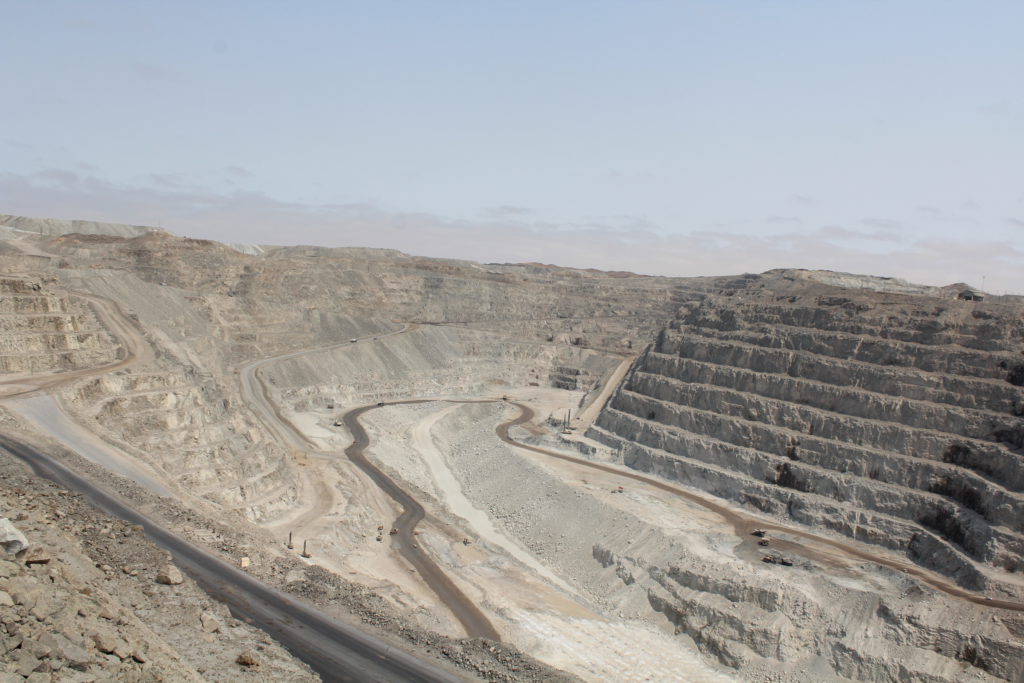
The US is weighing boosting uranium imports from Namibia, the world’s third-biggest producer, and supporting greater output of the nuclear fuel through its mining companies and government financing, America’s top diplomat in the southern African nation said.
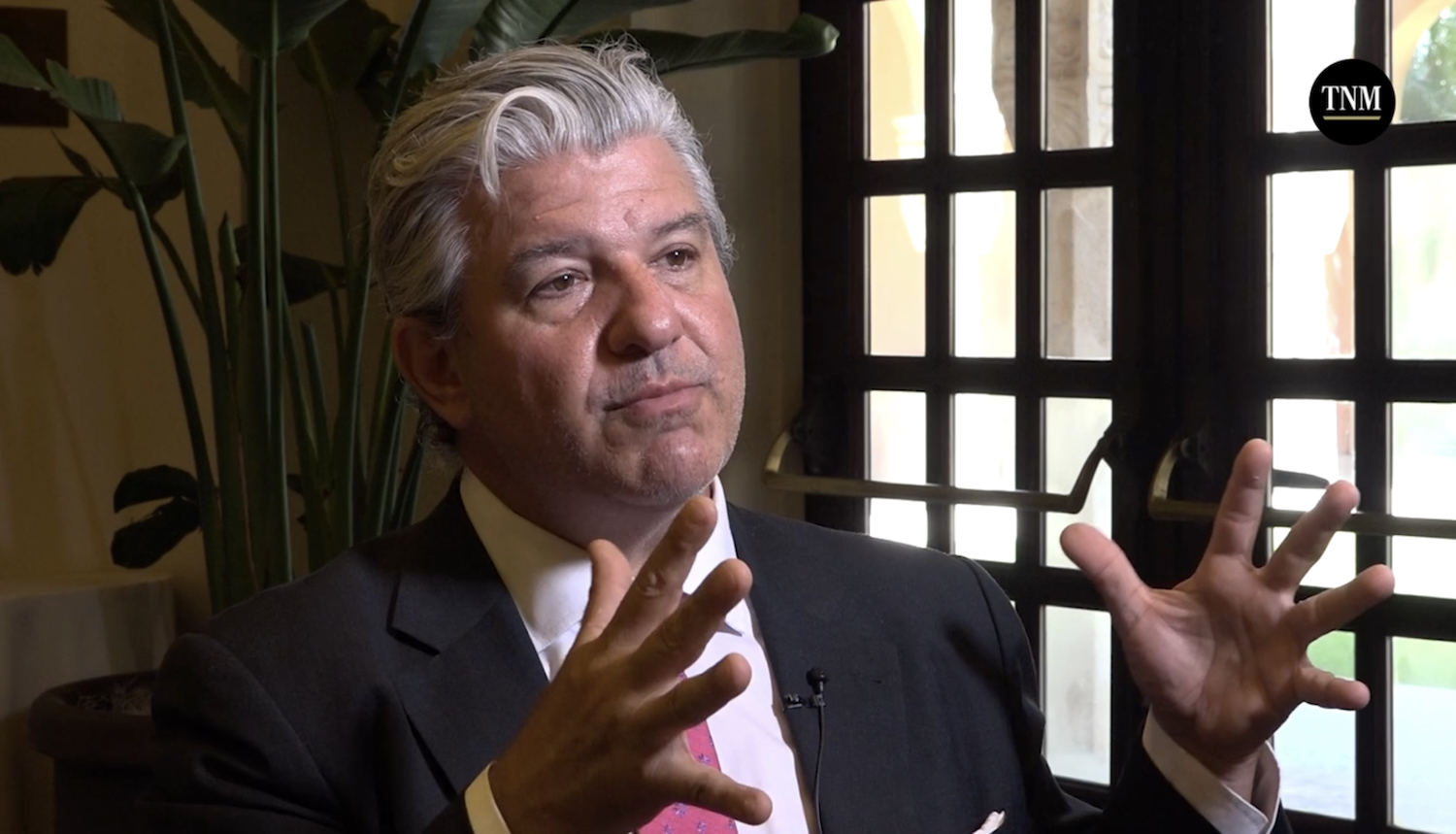
“Uranium here is the big prize for both our countries,” US Ambassador to Namibia John Giordano said in an interview on Friday. The metallic element is crucial for anticipated growth in civilian nuclear plants that are “likely going to be the necessary power source for the hyper-scale data centers” needed for artificial intelligence, he said.
“The US is very much interested in the prospect of importing that uranium,” he said.
Surging power demand from data centers is transforming the global energy landscape. US President Donald Trump has championed the use of coal-fired plants, along with natural gas and nuclear power to suport the rapid expansion of the energy-hungry facilities.
Namibia ranks behind Kazakhstan and Canada as the world’s three biggest producers of uranium, according to the World Nuclear Association. The US imported 633 metric tons of the fuel from Namibia in 2024, less than a tenth of what China shipped, World Integrated Trade Solution figures show.
Since being confirmed by the Senate in October and presenting his credentials to President Netumbo Nandi-Ndaitwah later that month, Giordano has focused on matching US interests in energy, critical minerals and infrastructure by deploying the “commercial diplomacy” that characterizes Trump’s approach to international relations.
That includes US companies such as Chevron Corp., Exxon Mobil Corp., Baker Hughes Co. and Halliburton Co., which have expanded in Namibia since oil was discovered off the nation’s coast in 2022. Activity is poised to increase with the first developments of those finds that will transform the country into a crude producer.
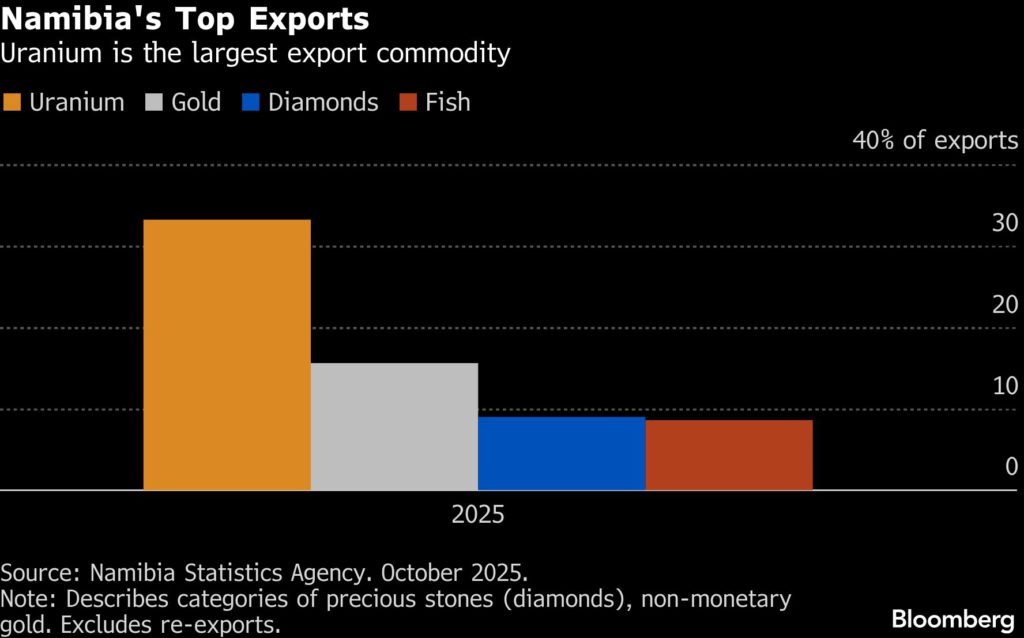
The mining industry in Namibia has a longer and more established history, though uranium output — the country’s most valuable export — is dominated by Chinese companies. That means the US will mainly have to develop new mines to access the nuclear fuel, copper and other critical minerals the country holds.
China imported 8,413 tons of Namibian uranium in 2024, the WITS data shows.
Minerals corridor
Namibia is situated in a broader logistics corridor that links its port of Walvis Bay to roads leading to the copperbelt region in the Democratic Republic of Congo and Zambia — Africa’s biggest producers of the metal. The US government is already backing critical minerals supply chain in Congo — which is also the world’s biggest cobalt producer — in exchange for a commitment to ship more of the output west toward the Atlantic Ocean along Angola’s Lobito railway corridor.
“We’re really looking to build out this southern African energy corridor,” Giordano said.
Discussion over potential financing for projects in the region has been ongoing with the US International Development Finance Corp., the Export-Import Bank of the US, and the US Trade and Development Agency, alongside private investment.
“Folks are even contacting us, asking ‘can you pair us up with DFC, can you pair us up with Exim?” he said, referring to potential projects in Namibia.
(By Paul Burkhardt)
{{ commodity.name }}
{{ post.title }}
{{ post.date }}
Comments