Zimbabwe adds freight rail option to lithium export gateway
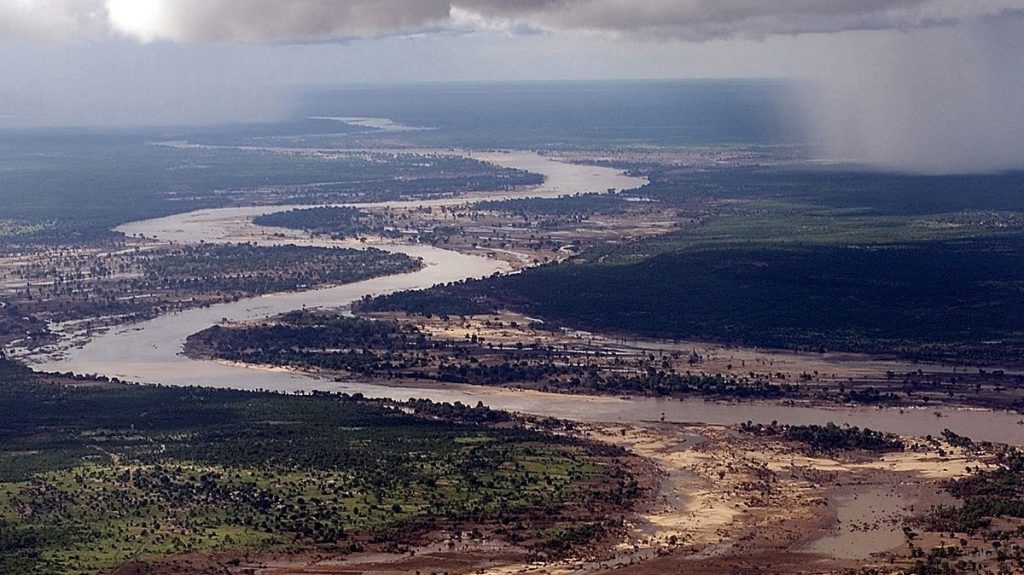
Zimbabwe’s state-owned railway company said on Tuesday its collaboration with private operators now provides capacity to haul lithium concentrate to Maputo port in Mozambique by rail, expanding logistics options for the battery mineral.
Africa’s top lithium producer Zimbabwe mostly trucks the bulk mineral to port, a more expensive option fraught with logistical bottlenecks.
The National Railways of Zimbabwe said in a statement it had partnered with Beitbridge Bulawayo Railway (BBR), a unit of South Africa’s Grindrod (JSE: GNDJ), and Zimbabwean logistics firm Silvergill to send the first 1,000 metric tons of lithium concentrate from Tsingshan Holding Group’s Gwanda Lithium Mine to Maputo.
The first 180 km (112 miles) stretch of the consignment would be on BBR’s track between Gwanda and Beitbridge, the NRZ said. The NRZ’s 300 km line then connects Beitbridge and the Chicualacuala border post with Mozambique, the railway said.
The Limpopo line, which connects Chicualacuala and Maputo, is about 522 km, making the rail leg from Gwanda to port about 1,000 km long.
The NRZ has struggled for years due to under-investment by the government and has stepped up collaborations with private logistics firms to boost freight volumes which collapsed from a peak of 12 million tons in the 1990s, to 2 million tons in 2025.
Most of Zimbabwe’s lithium mines are along a west-south-east rail corridor leading to Mozambique, from where the minerals are shipped to China.
Chinese miners, including Zhejiang Huayou Cobalt, Sinomine, Sichuan Yahua, Chengxin Lithium and Tsingshan dominate Zimbabwe’s lithium sector after investing about $2 billion in mines and plants since 2021.
Zimbabwe exported 1.13 million tons of lithium-bearing spodumene concentrate to China in 2025, accounting for about 15% of its lithium concentrate imports for the year.
With Zimbabwe demanding more local processing, producers forecast exports of lithium sulphate — a precursor chemical that is processed further to produce battery-grade lithium chemicals — to reach 344,000 tons by 2030.
(Reporting by Nelson Banya Editing by Tomasz Janowski)
More News
{{ commodity.name }}
{{ post.title }}
{{ post.date }}
Comments