Shorter commodity cycles reshaping trading, value: McKinsey
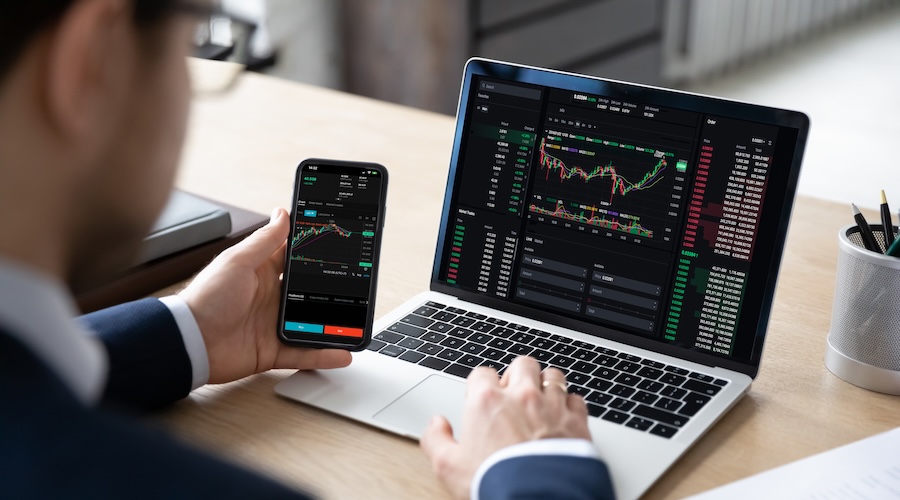
Shorter, more frequent commodity volatility cycles are reshaping global trading strategies and concentrating value among the most sophisticated players, according to new analysis from McKinsey & Company.
The report finds that traditional models built around prolonged supercycles are losing effectiveness, increasing the importance of flexibility, rapid capital deployment and access to physical flows.
Trading revenues across power and gas, metals and mining, agriculture, oil and products, and liquefied natural gas edged down to $69 billion in 2025 from $72 billion in 2024, but remain roughly double pre-pandemic levels, signalling a new baseline for the sector. As margins stabilize, value capture is consolidating among a smaller group of firms with advanced capabilities, while traditional models built around prolonged supercycles lose effectiveness.
McKinsey identifies three structural forces driving the shift: accelerating volatility cycles, the growing influence of artificial intelligence on trading models and rising investment in trading capabilities, particularly through partnerships. The firm estimates about $20 billion in optimization value remains untapped across oil and gas products.
Artificial intelligence (AI) is emerging as a defining competitive factor, the consultancy says. While AI-driven analytics continues to support margin expansion, agentic AI is beginning to unlock additional value by automating post-trade operations and accelerating digital workflows. Early deployments show that redesigning workflows around agentic AI can improve support-function efficiency by 50-60%, shorten deal cycles and speed data-to-trade decisions.
Partnerships over acquisitions
Heightened volatility and competitive pressure are fuelling greater investment in trading capabilities across regions. Companies are increasingly pursuing partnership-led models, including joint ventures and joint book arrangements, to capture untapped value.
In McKinsey’s January 2026 survey of more than 150 commodity trading professionals worldwide, 49% said they prefer partnerships over acquisitions at 27% or organic builds at 24%. Support is particularly strong in Asia, where 78% favour partnerships, and in the US, at 80%. Metals and mining, along with oil and gas, are expected to see the largest increases in trading capability investments.
“Shorter volatility cycles are creating a permanent divergence in the industry,” Roland Rechtsteiner, partner at McKinsey, said. “Organizations that expand asset optionality by building strategic partnerships and differentiating AI capabilities will secure advantages that could become difficult to replicate. A clear view of strategy and execution is critical.”
As high-volatility events become more frequent, firms that combine access to capital, operational sophistication and control of physical flows will be best positioned to capture long-term value.
{{ commodity.name }}
{{ post.title }}
{{ post.date }}
Comments