Trump leaves Beijing with no rare earth deal confirmed
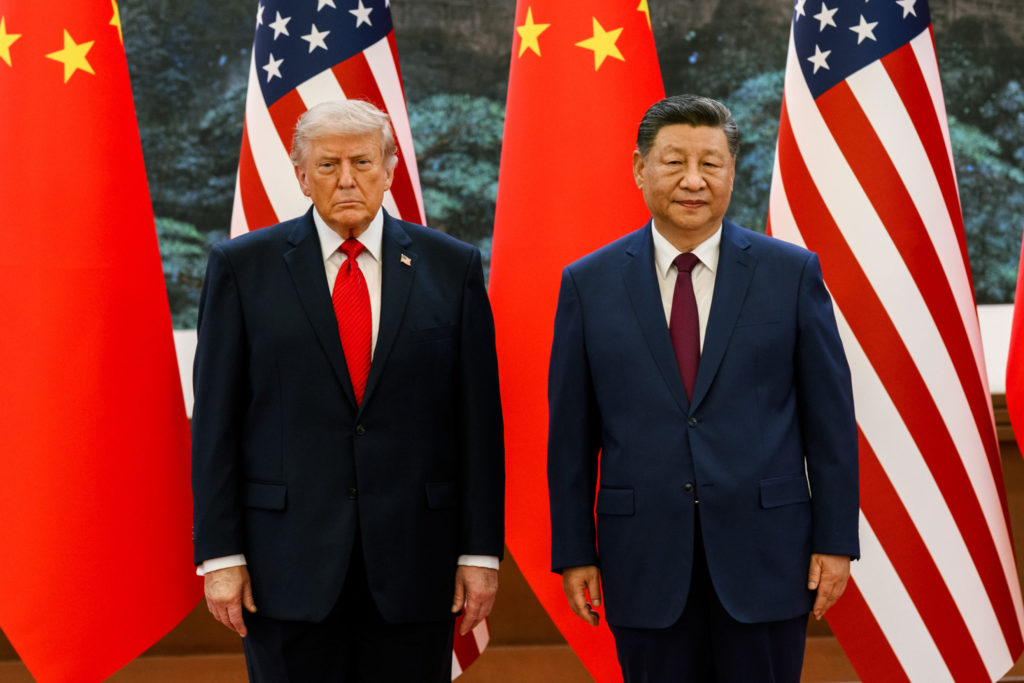
US President Donald Trump left Beijing on Friday without securing a breakthrough agreement on rare earths despite labelling the visit as a “success” and had warm words for his Chinese counterpart Xi Jinping.
Rare earths had emerged as one of the most closely watched topics of Trump’s two-day summit in China, as Washington seeks a more reliable access to minerals that are viewed as indispensable to its electric vehicle, semiconductors and defense supply chains.
China currently accounts for about 90% of global rare earth refining and processing capacity, and more than 60% of the mined supply, giving it a near-monopoly over a supply chain increasingly viewed as a geopolitical leverage.
This market dominance was weaponized last year, when Beijing imposed export restrictions on several rare earth products in retaliation against Trump’s ‘Liberation Day’ tariffs. This measure resulted in temporary shutdowns of auto plants across the US and Europe, highlighting China’s chokehold on global rare earth supply and the vulnerability of Western manufacturers to disruptions.
Despite a one-year trade truce in late October, it appears that China is still scaling back on rare earth shipments into the US. Exports of minerals like yttrium, dysprosium and terbium — all of which are critical to advanced technologies — are still down roughly 50% compared to the 12 months preceding the controls, the latest customs data revealed.
Trade truce extension?
While Trump described this week’s visit as “very successful” — and one that produced “fantastic trade deals” — no concrete agreement was announced. No details were given on whether China’s export licensing delays have continued to affect rare earth shipments either.
US Trade Representative Jamieson Greer told CNBC earlier that the US has seen its rare earth imports increase to “better levels”, albeit at a slower pace than desired. On whether the trade truce can be extended, he said there is “a willingness on both sides.”
An extension of that agreement would be the “best-case outcome” for US access to critical and rare earth minerals, said Heidi Crebo-Rediker, senior fellow at the Council on Foreign Relations, in the same CNBC report. “The US and its allies cannot out-mine, out-process or outspend China quickly enough to rebuild resilience in the near term.”
The absence of a deal reinforces how critical minerals have become central to US-China tensions, overtaking tariffs as one of the most strategic pressure points between the world’s two largest economies.
“The center of gravity moved away from tariffs — long seen by Trump as the decisive lever — and toward something more structural: China’s control over critical minerals, rare earths, and the magnet supply chains that underpin modern military capability and advanced manufacturing,” Crebo-Rediker wrote in a recently published paper.
More News
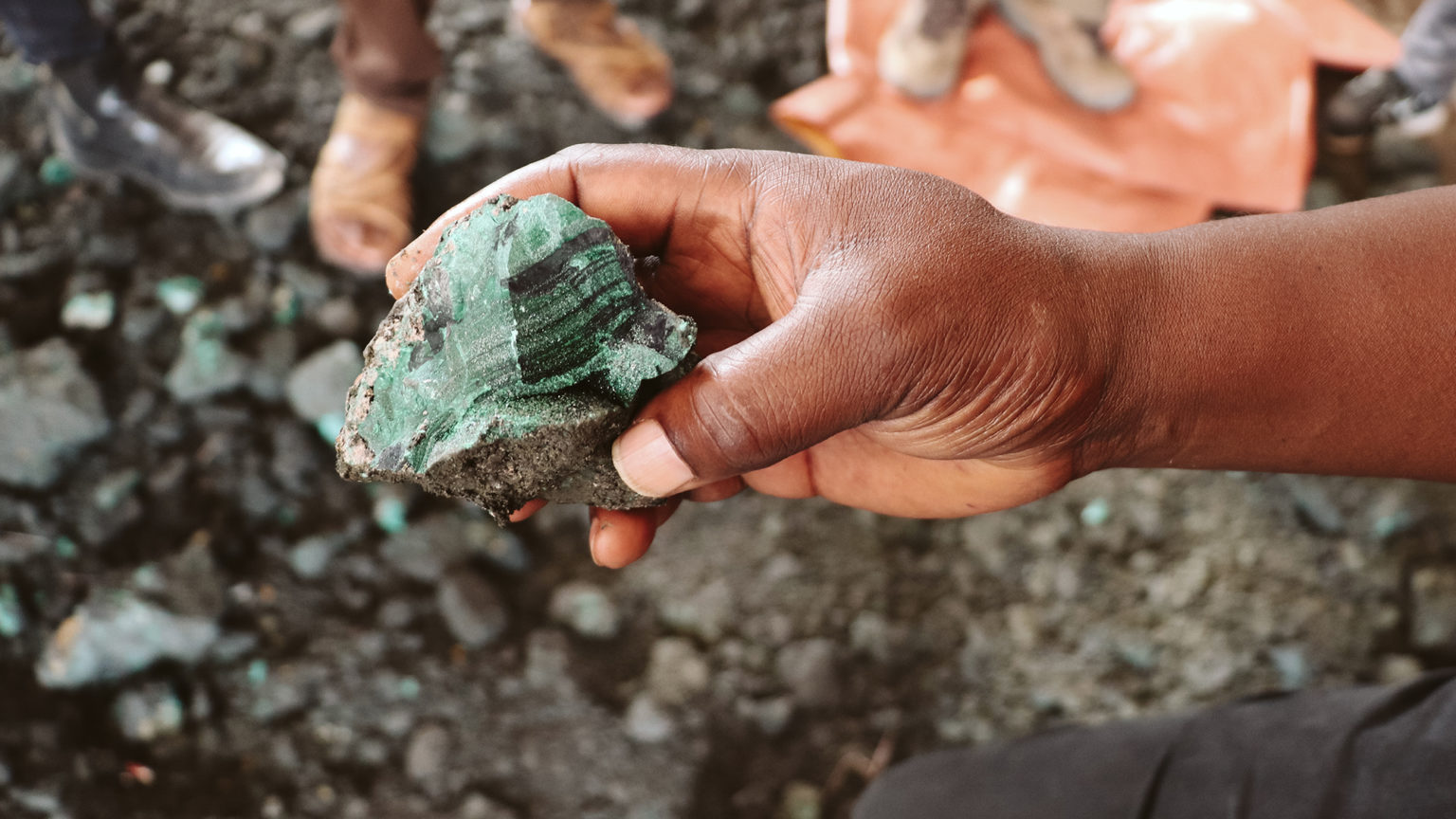
Congo withdraws unused cobalt export quotas
All export quotas allocated for January to June that remain unused by June 30 will be forfeited.
June 29, 2026 | 10:42 am
{{ commodity.name }}
{{ post.title }}
{{ post.date }}
Comments