Nouveau Monde to proceed with G7’s biggest graphite mine
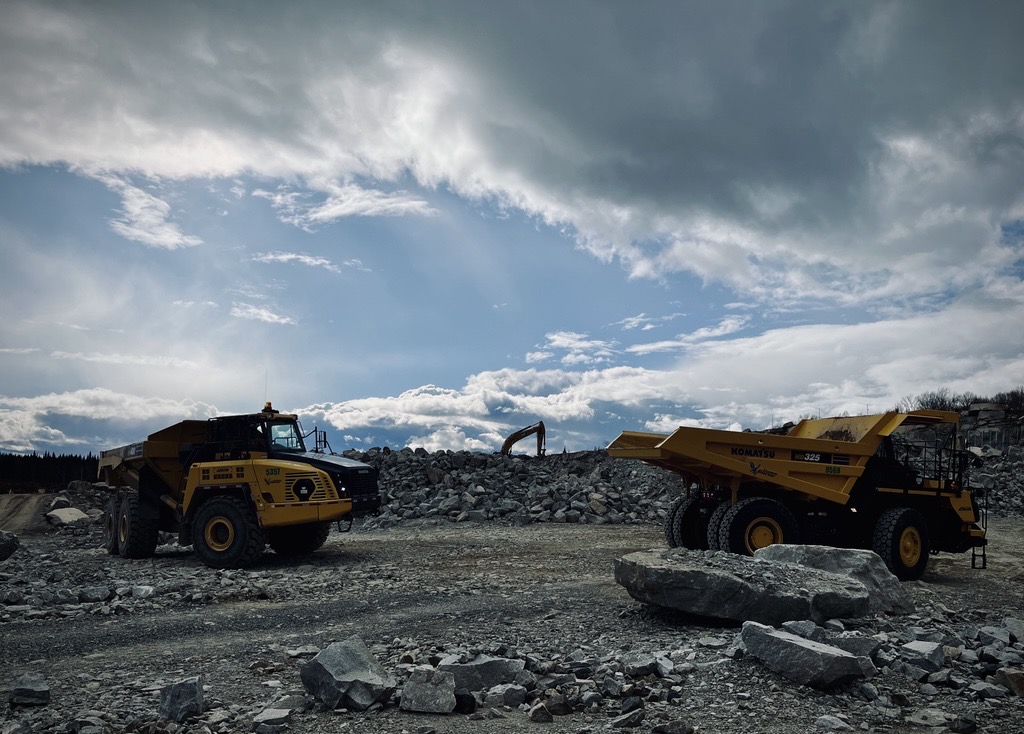
Nouveau Monde Graphite (TSX: NOU; NYSE: NMG) is going ahead with the planned construction of its Matawinie graphite mine in Quebec, a crucial step in the company’s bid to become a North American supplier of battery anode materials.
Nouveau Monde on Friday announced the completion of a previously disclosed $309.7 million equity financing package as it approved a final investment decision for the Matawinie project.
The latest funding includes $213.2 million in combined investments from Canada Growth Fund, state-owned Investissement Québec and Italian energy major Eni, alongside proceeds from a $96.5 million bought-deal public offering completed in April.
Including debt participation from Export Development Canada and the Canada Infrastructure Bank, Nouveau Monde has now raised about $644.5 million for construction of the commercial-scale Matawinie mine and an associated battery material plant in Bécancour, Quebec.
Located in Saint-Michel-des-Saints, about 120 km north of Montreal, Matawinie is expected to become the largest graphite operation in the G7 and a cornerstone asset in Canada’s critical minerals strategy as governments and industry work to secure domestic supply chains for battery materials.
“There aren’t many examples globally of critical minerals projects under construction that can help solve a major supply chain problem in the short term,” CEO Eric Desaulniers told The Northern Miner Friday. “Matawinie is one such project.”
For now at least, Canada is the only G7 country producing the mineral commercially. Matawinie would boost the country’s share of global mined graphite output to 6% from about 1% now, Nouveau Monde estimates.
Two-year build
Matawinie is designed as a large-scale open-pit operation that will be powered by Quebec’s hydroelectric grid.
The project is expected to produce about 106,000 tonnes of graphite concentrate annually over an estimated mine life of more than 25 years. It will supply feedstock to Bécancour, supporting electric vehicle and energy storage markets.
Matawinie will now enter a 30-month development sequence that includes 24 months of construction and six months of commissioning. Nouveau Monde expects to reach full commercial production by the end of 2028.
Three-quarters of Matawinie’s production is already reserved through offtake agreements, with an additional 15% under discussion with Eni.
The project is expected to create 150 direct jobs and mobilize up to 450 workers at peak construction.
Together, Matawinie and Bécancour have an estimated capital cost of about $634 million, Desaulniers said Friday — less than half of the amount projected in a 2025 feasibility study. Nouveau Monde scaled back the size of the proposed Bécancour plant last year when the U.S. market for electric vehicles began shrinking, he said.
Matawinie was referred to the federal Major Projects Office in November.
On Wednesday, Nouveau Monde announced the signing of a definitive seven-year offtake agreement with the Government of Canada covering 30,000 tonnes a year from Matawinie. The deal includes a North American fixed price and an upside-sharing mechanism where resale proceeds exceed the fixed price.
“Canada was looking to show our partners in the G7 that we can offer an alternative to China for niche applications, including military,” Desaulniers said in the interview. “That’s the genesis of our offtake agreement with the federal government for Matawinie.”
More News
Bomb attack damages Ecuador mining agency probing illegal gold
It’s the second blast in recent weeks affecting Arcom offices.
June 29, 2026 | 12:28 pm

{{ commodity.name }}
{{ post.title }}
{{ post.date }}
Comments