Devolution may see made-in-Nunavut model
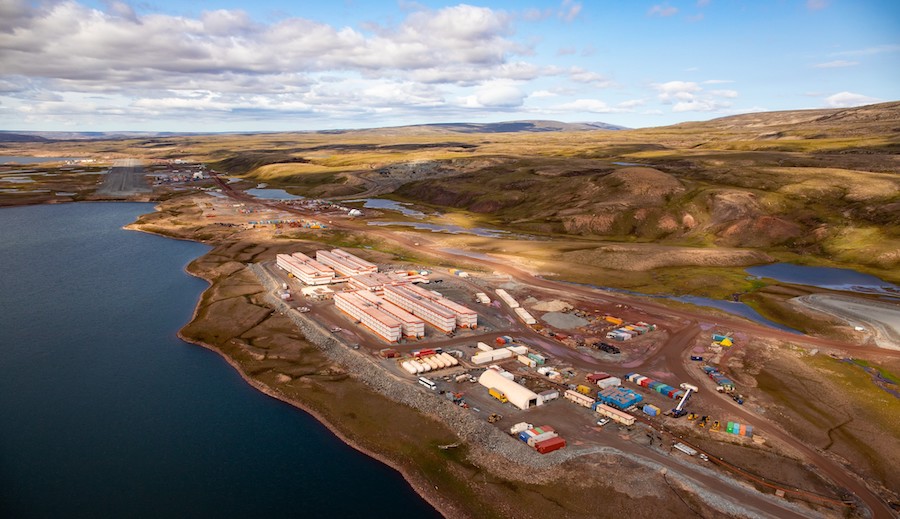
With almost nine months to go until Ottawa is scheduled to devolve powers to the Nunavut government, industry figures say it represents an opportunity for Nunavut residents to pursue their own path of mining development.
By April 1, the process of devolution – transferring responsibilities from the federal government to Nunavut – is due to be complete. Iqaluit will take on management of its own lands, water and resources. Yukon and the Northwest Territories undertook devolution in 2003 and 2014, respectively.
“The government of Nunavut has observed significant industry interest in devolution, with stakeholders viewing the territorial government as a local and potentially more accessible partner,” Stephen Mansell, chief negotiator of Devolution at Nunavut’s Department of Executive and Governmental Affairs, said in an emailed response to questions.
“At the same time, industry has emphasized the importance of a seamless transition that avoids disruption to existing operations.”
$1.4B mining economy
The Inuit-majority territory is also Canada’s largest by land mass and hosts vast mineral resources, four producing mines and dozens of exploration projects. While most of its mines and exploration sites are hard to access due to limited infrastructure, mining contributed C$1.45 billion to the territorial economy in 2025, or 35% of its GDP, according to Statistics Canada.
The Nunavut government, Inuit rights organization Nunavut Tunngavik Inc. (NTI) and the federal government signed the Nunavut Lands and Resources Devolution Agreement in 2024. Since then, the three bodies have been preparing for the transfer of land, water and resource-management powers to Iqaluit.
After the agreement takes effect next April, Nunavut will assume the issuing of mineral claims on Crown lands and mineral tenure management. It will also receive revenues from mining royalties, land leases and development on Crown lands.
Ottawa’s authority will remain over fisheries, migratory birds, navigable waters and other federal issues that can affect mine development.
Narrow royalty path
While the territory will be entitled to receive more royalties, many of Nunavut’s major mining operations and some of its most prospective mineral districts sit on Inuit Owned Lands, and royalties already go to Inuit organizations instead of the federal government. The rest of the territory is Crown land.
All of Nunavut’s producing mines – including Agnico Eagle’s (NYSE, TSX: AEM) Meadowbank-Amaruq and Meliadine, B2Gold’s (TSX: BTO, NYSE-A: BTG) Goose site and Baffinland’s Mary River iron mine – are wholly or partly on Inuit Owned Lands. Agnico declined to comment for this story.
“Royalty amounts or distributions will not change in Nunavut until new mines are found, permitted and are producing on Crown lands as opposed to Inuit Owned Lands,” Paul Hébert, CEO of the NWT & Nunavut Chamber of Mines said.
Yukon caution
But royalties might not be the path to fast cash that many believe it to be, and Yukon stands as an example, warns Ken Coates, Distinguished Fellow at the Macdonald-Laurier Institute and Indigenous Governance professor at Yukon University.
A windfall of royalties requires large, producing mines connected to infrastructure and a royalty policy that captures the right value from mining. Yukon has a good road network and its placer gold mines generated C$400 million revenue in 2025, according to Yukon Geological Survey data. However, the Yukon government received just about C$39,000 due to its low placer royalty rate of 37.5¢ per oz., which is also out of step with the gold price.
Nunavut drafting its own mining laws is essential for putting its own stamp on the legislation, Coates said.
“They have such an integrated approach to legislative development in Nunavut,” he said. “[It] should be proactive in getting the support of the communities behind a Nunavut model of resource development, and that has to be also undertaken with the resource companies well represented.”
Infrastructure
Mine development might spur building new roads, help lower the cost of living and offer skills training opportunities, Coates said.
“So the Nunavut government can capture the benefits from all those non-revenue opportunities that come along with resource activity.” With Ottawa set to play a less prominent role after devolution, miners and explorers are eager to see how decision-making with projects changes and if it potentially moves faster.
Successful permitting will depend more on territorial capacity, staffing and intra-government coordination than on devolution itself, Hébert said.
“Nunavummiut are expected to benefit most from devolution, as it creates the potential for more locally driven decision-making and economic opportunities.”
Permits
Baffinland, for its part, expects devolution to strengthen project decision-making in Nunavut, spokesperson Peter Akman said.
“The most significant expected change is that the government of Nunavut will become the final decision-maker for certain project approvals that currently rest with the federal government.”
B2Gold was unable to comment on the specifics of permitting but said the company supports the devolution process.
“This important work will ensure that Nunavummiut benefit from the ability to make decisions about land administration, development and resource management in Nunavut,” spokeswoman Cherry DeGeer said. In the meantime, Iqaluit is focused on drafting “mirror” legislation replicating federal laws for the territory.
“This approach ensures that licences, permits, approvals, and regulatory processes continue uninterrupted when devolution comes into force,” Mansell said.
{{ commodity.name }}
{{ post.title }}
{{ post.date }}
Comments