Bessent urges World Bank to shift funding towards critical minerals
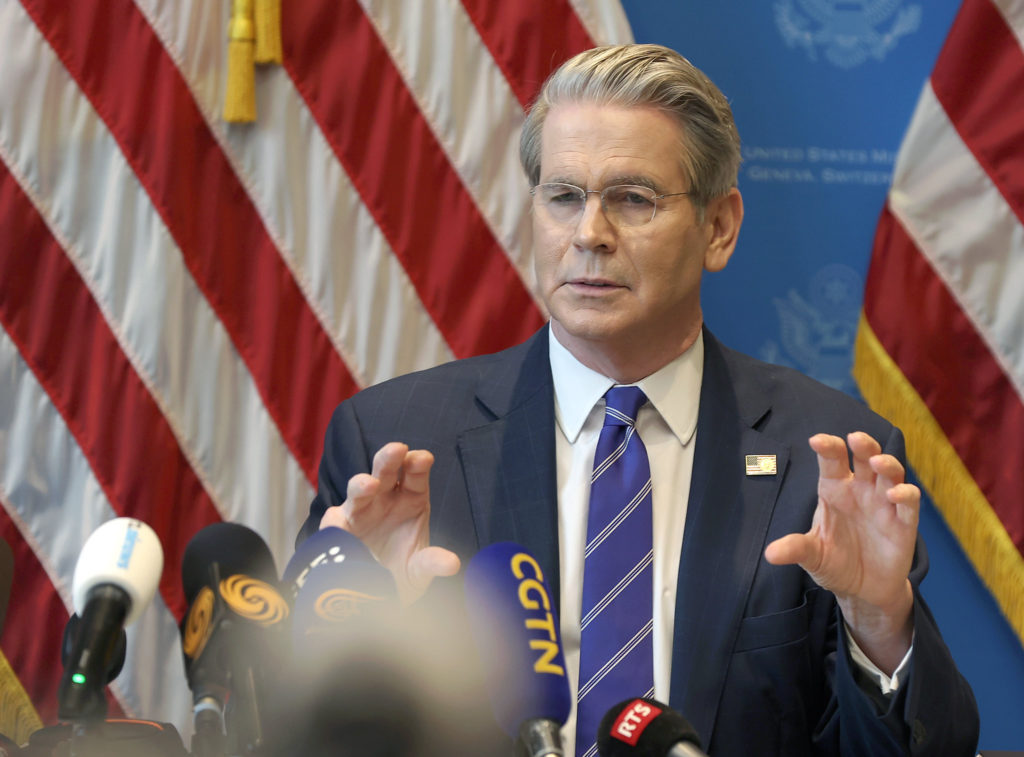
The US government is pressing the world’s top development lenders to pivot towards funding critical minerals projects in an effort to bolster a supply chain that’s currently dominated by China.
Speaking at the IMF and World Bank spring meetings in Washington, Treasury Secretary Scott Bessent urged the World Bank to focus its green lending strategy on “high-quality, durable projects” focused on critical minerals mining and processing.
Bessent, who manages the dominant US shareholding in the development lenders, argued that developing secure supplies of minerals such as rare earths is what really boosts economic growth and technological leadership.
“We expect to see all parts of the Bank move quickly to support the policies, projects and associated infrastructure needed to unlock more deals that will help diversify critical minerals supply chains and increase domestic value capture across the supply chain,” Bessent said in the statement to the International Monetary and Financial Committee.
Bessent’s remarks underscore a broader policy turn: multilateral finance, long focused on climate and poverty reduction, is being repositioned as a tool to counter China’s dominance in mineral supply chains. The Asian country controls over 90% of rare earths and some other critical minerals, giving Beijing leverage over Western countries on trade matters.
‘Myopic’ focus on financing
The Treasury Secretary also welcomed the coming expiration of the World Bank’s climate change action plan, which he said had a “myopic focus” on climate financing that he believed chased arbitrary targets and did little to lift people out of poverty.
Echoing his prior statements to the lenders, Bessent said that the US government — which effectively holds a veto position with both the IMF and the World Bank — is committed to a “strong, quota-based and adequately resourced” IMF. This includes securing approval by the US Congress for the IMF’s 16th review of quotas, which was agreed on in 2023 but has yet to be implemented.
Bessent went on to say that he believed the two institutions were moving more in line with the US direction in shifting away from climate change projects.

{{ commodity.name }}
{{ post.title }}
{{ post.date }}
Comments