Gold, critical minerals gain trust premium as money, supply chains fray

Gold is returning as the “apex predator” of a debt-heavy financial system, while critical minerals are becoming the ground governments fight over, resource investors were told Tuesday at the Rule Symposium.
Central banks bought 863 tonnes of gold last year after three straight years above 1,000 tonnes, while the US dollar held 57.13% of allocated currency reserves in the first quarter. At the same time, Washington added copper, silver and uranium to its 2025 critical minerals list, widening the definition of strategic supply.
“Gold tells you what your currency is worth, not the other way around,” Grant Williams, author of Things That Make You Go Hmmm…, said.
The warning casts the resource rally as a fight over discipline and control, not just price. Williams framed gold as the force returning to check paper money, while Nomi Prins, founder of Prinsights Global and a former Wall Street banker, showed how countries are now fighting over the habitat around real assets such as mines, processing plants, stockpiles, export rules and trade routes. Their shared argument boils down to companies with scarce deposits in trusted jurisdictions stand to gain as investors seek assets governments cannot print and rivals cannot easily block.
Wolf returns
Williams built his keynote around the same image he used in his 2018 “Cry Wolf” talk: the return of gray wolves to Yellowstone National Park.
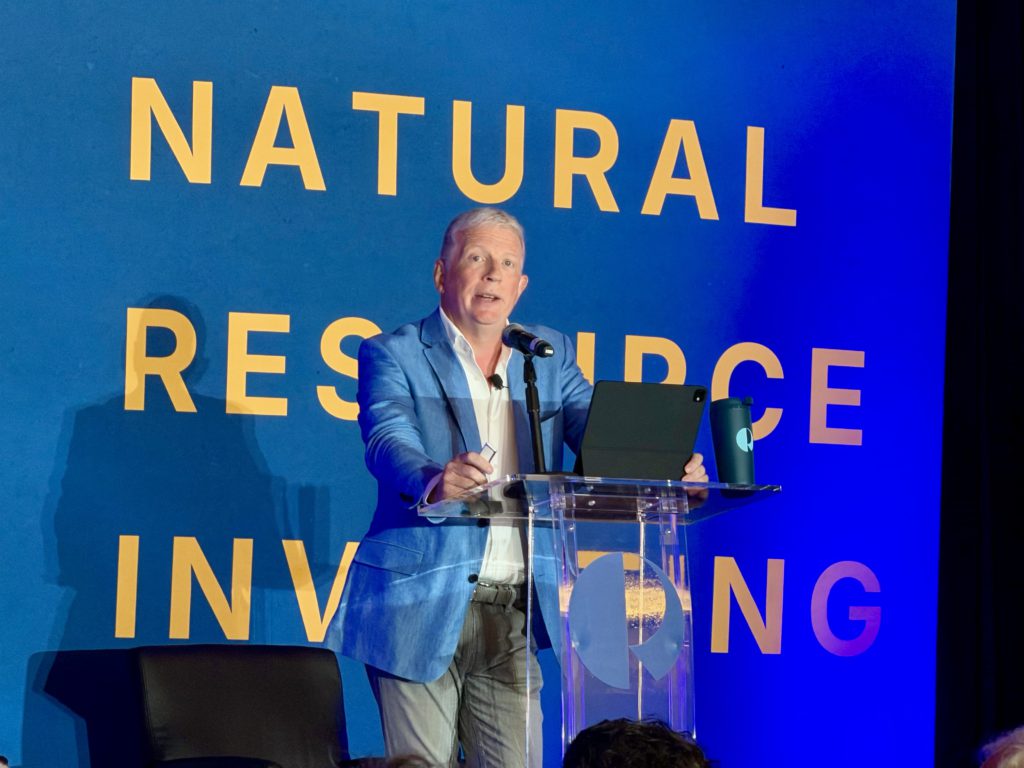
Wolves did more than cut deer numbers, he said. They changed how the herd moved, letting trees, birds, beavers and riverbanks recover.
“Every financial ecosystem needs its own apex predator, something that keeps the entire system below it honest and functioning properly,” Williams said.
Gold played that role before the US cut the dollar’s last formal link to the metal in 1971, he argued. Once gold stopped restraining the system, governments and central banks leaned harder on debt, lower rates and market rescues whenever stress spread.
Gold’s appeal, in his telling, comes from what it does not need. It has no chief executive, debt load, power bill, credit risk or business plan. It carries no promise from a borrower and needs no faith in a government.
“It does not require the faith or goodwill of others,” Williams said. “It does not require me to trust anyone at all, except that you must hold it in a very safe place.”
Reserve stress
Central bank buying gives the wolf narrative its market reality. By the end of last year, gold had overtaken US Treasuries as the largest official reserve asset, at 27% of global reserves versus 22% for Treasuries, according to the European Central Bank. The move mainly reflected the jump in bullion prices rather than a rush of new buying.
Williams said Russia’s invasion of Ukraine and the freezing of Russian reserves accelerated the shift. The move showed reserve managers that assets held abroad could become political hostages.
He did not argue governments are to choose a new gold standard because they want one. He argued markets can push old anchors back into use when debt, inflation and broken trust narrow policy choices.
“There comes a time when choices get made for you,” Williams said.
Supply habitat
Prins carried the same trust argument from money into mined supply. Commodities have entered a “lockout” stage, she said. According to Prins, countries no longer fight only over commodity price. They fight over the choke points that turn ore into usable metal: processing, refining, shipping, stockpiles and end users.
“The volume of trade in the paper markets way outpaces the volume of the ability of physical supply to be extracted, produced, moved, used at their end sites,” Prins said.
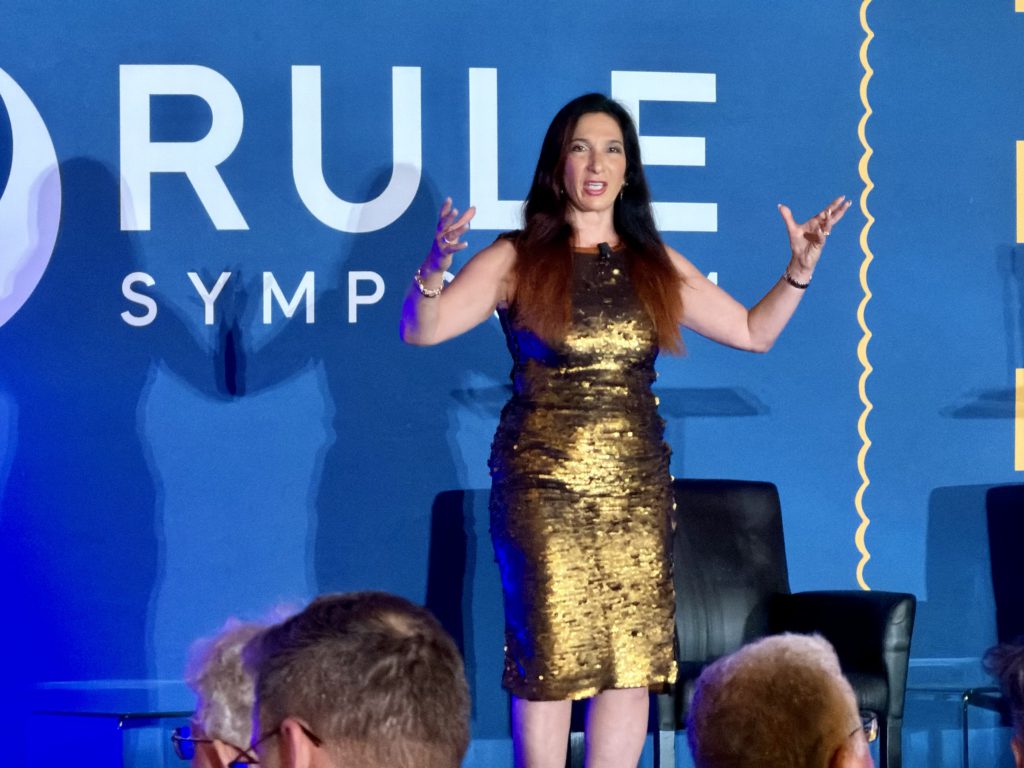
Silver shows the split, Prins said. Trading in the largest silver exchange-traded fund can represent tens of millions of ounces a day, while yearly mine supply sits near 820 million oz. and the market has spent years in deficit.
Copper held up better during recent volatility, she said, because utilities contract supply far ahead and paper trading plays a smaller role than in precious metals.
China has already shown how that leverage works in copper, Prins said. It does not control copper the way it controls rare earths markets, but it can and recently did restrict sulphuric acid, a key chemical used to leach copper ore. That kind of choke point can raise processing costs and push governments or buyers to stockpile metal elsewhere before supply tightens.
Critical fight
Rare earths show what the habitat fight looks like when one country controls the best ground.
China dominates rare earth separation, processing and magnet manufacturing, leaving the US and its allies exposed in defence, electronics, power and vehicle supply chains. That grip has pushed Washington from grants and studies toward direct market support.
The US Department of Defense last year agreed to invest $400 million (C$568 million) in MP Materials (NYSE: MP), operator of the Mountain Pass rare earth mine in California, as part of a wider push to build a domestic magnet supply chain. The deal made the Pentagon MP’s largest shareholder.
Then last month, China added MP Materials and USA Rare Earth (Nasdaq: USAR) to an export control list, Prins said. For her, the move showed how minerals can become pressure points without a shot fired.
“They are weapons in play in the commodity warfare in the rare earth space,” Prins said.
Miner test
The combined message was not to buy every gold or critical minerals name. A wolf can restore balance, but it does not make every animal healthy.
Williams gave gold the role of monetary predator. Prins showed the fight over the terrain it hunts in. For miners, the lesson is simple: real assets matter more when the systems built around them lose balance.
More News
{{ commodity.name }}
{{ post.title }}
{{ post.date }}
Comments