New South Wales greenlights $497M Copi critical minerals project
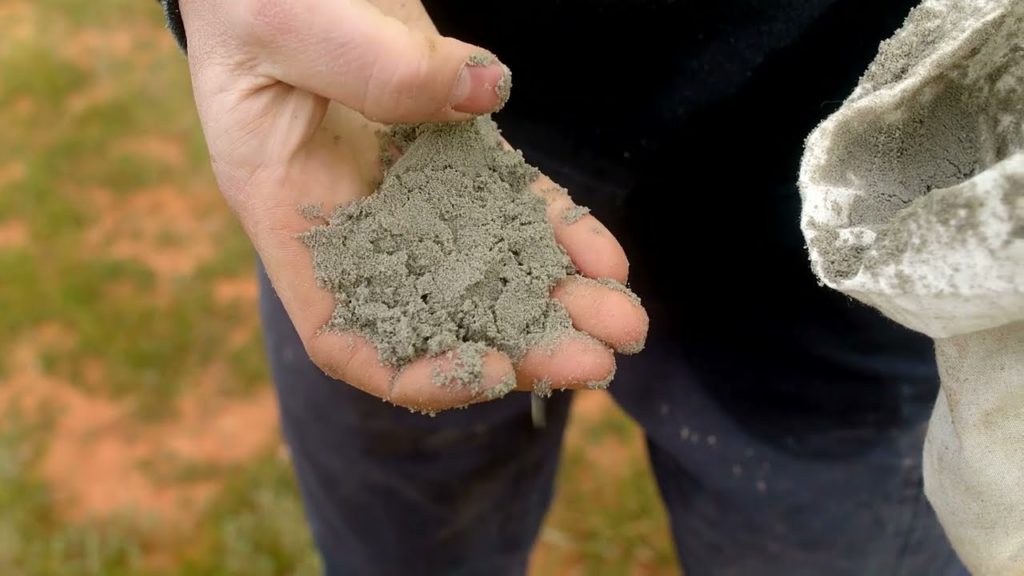
Australia’s New South Wales state has approved RZ Resources’ A$693 million ($497 million) Copi mineral sands mine project, which is expected to produce up to 400,000 tonnes of critical mineral ore a year for 18 years.
The Copi project, one of the world’s largest critical minerals deposits, positions RZ Resources to become a globally significant critical minerals producer, the company said in a statement, adding that the approval clears a pathway to first production in early 2029.
Located 75 km northwest of Wentworth in far southwestern NSW, the mine will produce titanium minerals including rutile, leucoxene and ilmenite, premium zircon, and rare earth elements including monazite and xenotime.
Privately held RZ said it has received investment and support for the project from Japan’s JX Advanced Metals and Marubeni.
The project’s strategic importance has been formally recognized and received support from the US, Japanese, Indian and Australian governments, including through announcements of US Export–Import Bank (EXIM) financing at the 2025 Quad leaders’ summit as being of global significance to the nations’ supply chains.
RZ founder and executive chairman David Fraser said the NSW development approval is a significant step forward in securing first production.
“Receiving NSW development approval for the Copi project is a defining moment for RZ Resources, for the Wentworth community, and for Australia’s critical minerals sector,” Fraser said in a news release.
“Copi is a globally significant critical minerals opportunity that will help Australia and its allies secure supply chains for the materials that underpin energy, manufacturing and defence.”
The project is expected to create up to 480 direct jobs during construction, transitioning to a 240-strong operational workforce.
RZ also owns the mineral separation plant on the Brisbane River, the only major mineral processing facility of its kind on Australia’s east coast.
More News
Bomb attack damages Ecuador mining agency probing illegal gold
It’s the second blast in recent weeks affecting Arcom offices.
June 29, 2026 | 12:28 pm

{{ commodity.name }}
{{ post.title }}
{{ post.date }}
Comments