Op-Ed: Bankable rules matter as much as critical minerals
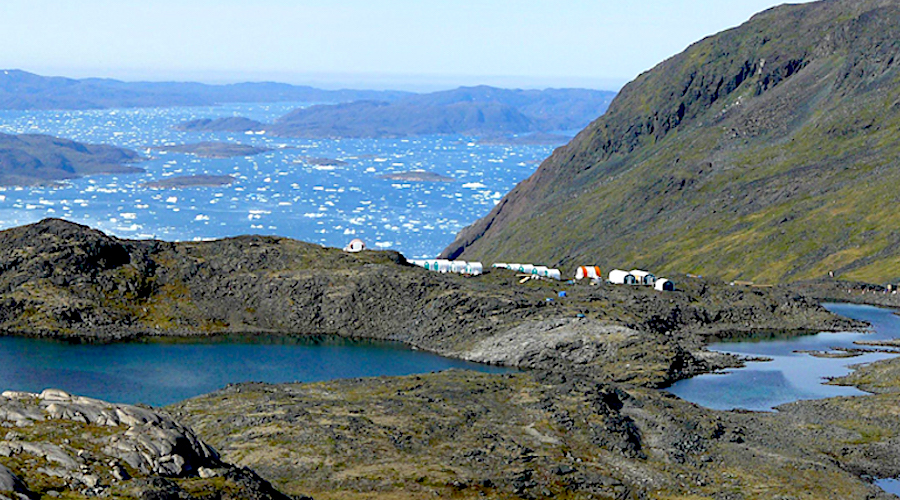
Greenland’s dispute over the Kvanefjeld are earth project shows that critical-minerals supply chains can be derailed not only by geology, processing bottlenecks or weak stockpiles, but also by investor doubts that permitting systems will remain predictable long enough to justify major capital spending.
The case highlights a broader weakness in Western critical-minerals strategy: execution risk. A deposit may be strategically important on paper, but it only becomes part of a secure supply chain if it can survive the full cycle of permitting, financing, construction and political scrutiny. Western governments often frame critical-minerals policy around three questions — where deposits are located, how much processing capacity can be built outside China, and how much material allies should stockpile. Kvanefjeld points to a fourth issue that is becoming equally important: whether investors trust the regulatory path.
Capital does not only look at the size of the deposit or the quality of the metallurgy. It also assesses whether the project’s legal and regulatory position will still hold by the time the funds must be spent.
Kvanefjeld remains strategically important because of its rare-earth potential, but the dispute is not simply evidence that Greenland is hostile to mining. Greenland has taken a particularly firm stance on uranium-linked deposits, especially where uranium exceeds the legal threshold under the territory’s 2021 uranium law.
At the same time, Greenland continues to court mining investment through its 2025–2029 Mineral Resources Strategy, a raw-materials partnership signed with the European Union in 2023 and efforts to ease some permitting and tax rules. Projects such as Malmbjerg molybdenum, Amitsoq graphite and Tanbreez have continued to advance, signalling that the territory still supports mining development under selected conditions.
Deeper issue
The broader lesson is about above-ground risk. Years of legal and regulatory conflict surrounding Kvanefjeld have reinforced investor concerns that uncertainty itself becomes part of project cost. Markets assess not only deposit size and metallurgy, but also whether the legal framework will remain stable throughout the life of a project.
When regulatory credibility weakens, financing becomes more difficult. Lenders demand higher premiums, offtake partners hesitate and equity investors apply steeper discounts. Governments may describe projects as strategically urgent, but those same projects can become unfinanceable if investors believe the rules could shift before construction begins.
Governments do not need to approve every critical-minerals project, but they do need to define rules clearly and early. If certain deposit types are politically unacceptable, those limits should be explicit and tied to measurable thresholds. Faster permitting alone is insufficient if developers still cannot determine whether approvals will survive political scrutiny. In project finance, Karpunina writes, a definitive rejection is often easier for markets to price than prolonged uncertainty.
That challenge is becoming more important as Western governments rely increasingly on public funding, industrial partnerships and diplomatic agreements to secure supply chains. The EU-Greenland partnership aims to support infrastructure, investment and sustainable raw-materials development, but such initiatives have limited effect if investors remain unconvinced the regulatory process is dependable.
Kvanefjeld therefore represents more than a local political dispute. It illustrates a larger warning for Western critical-minerals policy: secure supply chains require not only deposits and processing plants, but also regulatory systems investors consider stable, transparent and credible enough to support long-term capital deployment.
__________________________
* Alina Karpunina is project manager at GEM Mining Consulting.
More News
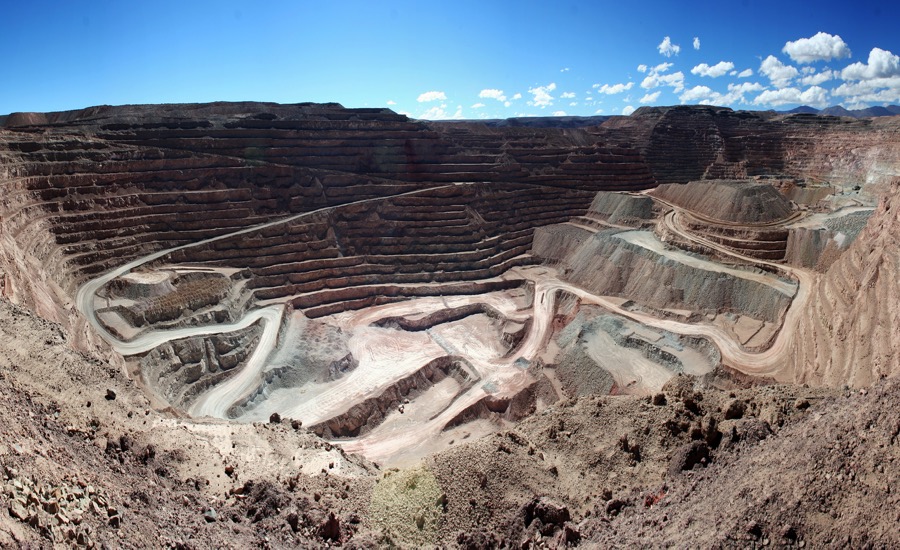
BHP seeks to restart Cerro Colorado mine with $1.5B investment
The copper mine has been closed since late 2023 after it was denied its water permit.
July 02, 2026 | 10:43 am
{{ commodity.name }}
{{ post.title }}
{{ post.date }}
Comments