Rio starts $1.5B expansion of Quebec aluminum smelter
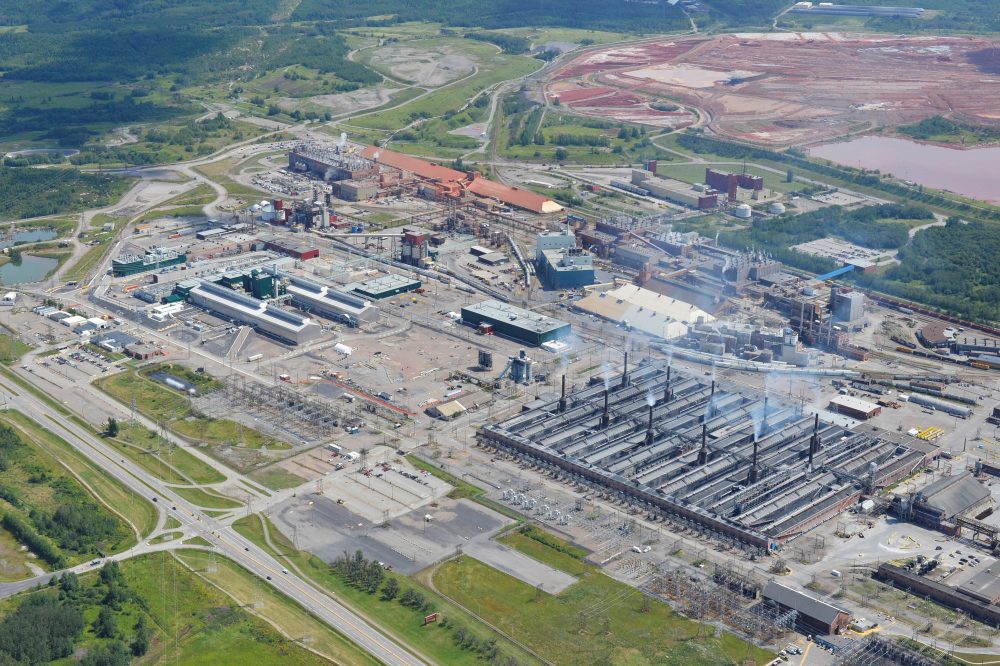
Rio Tinto (NYSE, LSE, ASX: RIO) has begun a $1.5 billion expansion of its AP60 low-carbon aluminum smelter in Quebec. The project advances the company’s push to supply lower-emissions metal to automotive, construction and packaging markets.
Expanding the Arvida operation will add 96 new AP60 pots, more than tripling annual primary aluminum production capacity. Once fully ramped up by Dec. 31, the smelter is expected to produce about 220,000 tonnes of aluminum annually, a 160,000-tonne increase, Rio said Friday in a statement.
“The newly expanded AP60 smelter reinforces our competitiveness and the offer for our customers position in North America increases the efficiency of our Quebec operations and reduces our carbon emissions by approximately 290,000 tonnes per year compared to the old Arvida smelter,” Rio aluminium and lithium CEO Jérôme Pécresse said in the statement.
AP60 is among the lowest-carbon aluminum smelting technologies operating at commercial scale, Rio said. Powered by hydroelectricity, the process produces about one-seventh of the greenhouse gas emissions of the global industry average, according to the company.
The expansion was first approved in 2023 and received up to $113 million in financial support from the Quebec government. About 100 permanent employees will work at the expanded smelter, construction having generated more than 1,500 jobs at peak activity, Rio says.
Gradual closure
The new AP60 capacity is intended to offset the gradual closure of older potlines at the historical Arvida smelter, which is expected to be completed next month. Rio is developing a nearby recycling facility to integrate post-consumer aluminum into its products.
Arvida has long been central to Quebec’s aluminum industry. Built in the 1920s by Alcan, decades before its acquisition by Rio Tinto, the original smelter helped establish the Saguenay region as one of the world’s major aluminum hubs due to its abundant hydroelectric power.
The AP60 pilot plant, which began operating in 2013, became a showcase for Rio Tinto’s next-generation smelting technology.
Low-carbon advantage
Quebec remains one of the world’s key producers of low-carbon aluminum because almost all its smelters run on renewable hydroelectricity. The province supplies metal to North American automotive manufacturers, beverage can producers and aerospace companies seeking lower-emissions materials.
Rio Tinto is also advancing development of Elysis, a carbon-free aluminum smelting technology that produces oxygen as a by-product and is being developed with support from Ottawa and Quebec. A demonstration plant is being built in the province.
More News

Bomb attack damages Ecuador mining agency probing illegal gold
It’s the second blast in recent weeks affecting Arcom offices.
June 29, 2026 | 12:28 pm

{{ commodity.name }}
{{ post.title }}
{{ post.date }}
Comments