US Department of Energy awards $75M to recover critical minerals from coal feedstocks
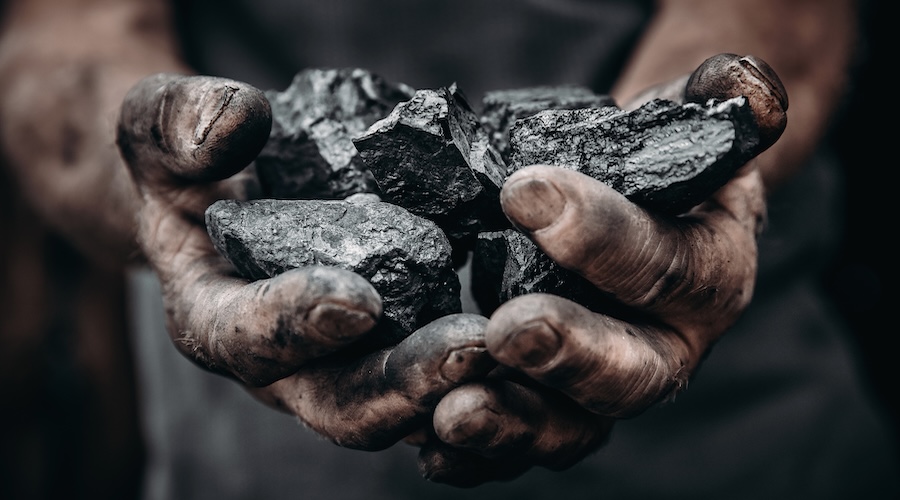
The U.S. Department of Energy’s (DOE) Office of Critical Minerals and Energy Innovation today announced Wednesday $75 million for five projects that use coal and coal-based feedstocks to produce rare earth elements and other critical materials.
The five projects selected for the Mines & Metals Capacity Expansion – Piloting Byproduct Critical Minerals and Materials Recovery at Domestic Industrial Facilities funding opportunity will support the development of pilot-scale facilities at their respective industrial sites.
These facilities will produce market-ready critical materials, including rare earth elements, and other minerals such as germanium, gallium, and aluminum, the DOE said.
DOE’s National Energy Technology Laboratory will manage the five selected projects under the Mines & Metals Pilots—Coal-Based Industry:
The University of North Dakota in Grand Forks, North Dakota; Valor Metals in New York, New York; CONSOL Innovations, LLC in Pennsylvania; American Resources Corporation in Indiana and Peabody Energy in Missouri.
“American industrial facilities have the potential to produce valuable critical materials from coal and coal byproducts,” Assistant Secretary of Energy Audrey Robertson said in a news release.
“By investing in these facilities, we can increase domestic critical materials production and help mitigate the financial risk of commercial deployment.”
Selections under Topic Area 2: Mines & Metals Pilots—All Industries will be announced at a later date.
The selections stem from DOE’s August 2025 announcement of nearly $1 billion to advance and scale mining, processing, and manufacturing technologies across key stages of the critical minerals and materials supply chains.
Recent announcements include the Rare Earth Elements Demonstration Facility Program.
The announcement, the DOE said, advances the Trump Administration’s efforts to strengthen the US coal sector, including nearly $700 million for coal infrastructure and operations, and reflects a broader commitment to unlock the value of coal and coal-based feedstocks as domestic sources of critical minerals and materials.
More News
{{ commodity.name }}
{{ post.title }}
{{ post.date }}
Comments