Aluminum faces ‘black swan’ supply shock, Mercuria says
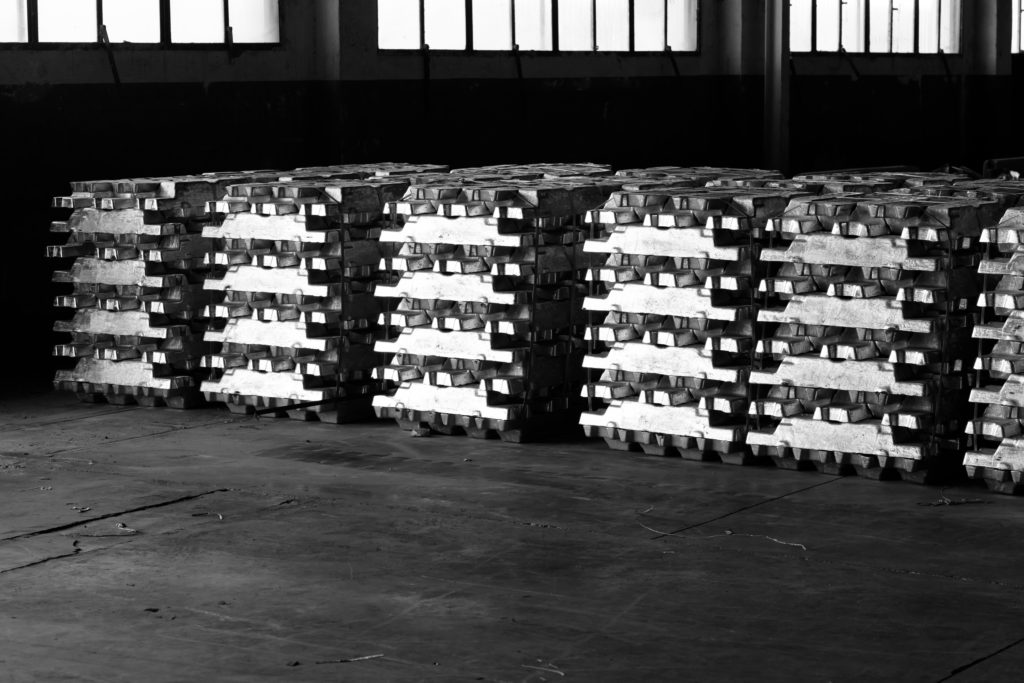
The global aluminum market is experiencing a “black swan” event as disruptions due to the Middle East war trigger a supply shock that will lead to major shortages this year, according to the top metals analyst at commodity trader Mercuria.
The region accounts for about 7 million metric tons of annual aluminum smelting capacity, or roughly 9% of the estimated global supply this year. Aluminum is a key material for the transport, construction and packaging industries.
“The scale of the supply shock we’re seeing in the aluminum market is probably the largest single supply shock a base metals market has suffered in the post-2000 era,” Nick Snowdon, head of metals and mining research at Mercuria, said on the sidelines of the Financial Times Commodities Global Summit in Lausanne, Switzerland.
“We are already in a ‘black swan’ event. No one could have foreseen something on this scale,” he told Reuters.
Concerns about supplies due to disruptions stemming from the US-Israeli war with Iran fuelled a rally on the London Metal Exchange, pushing aluminum prices to a four-year high at $3,672 a ton on April 16.
Mercuria estimates the market will face, at a minimum, a deficit of roughly 2 million tons between now and the end of the year. Snowdon said this estimate may prove conservative, as it assumes a near-term improvement in alumina flows via the Strait of Hormuz will enable some smelters to restart production this quarter.
“That shortfall compares with about 1.5 million tons of visible inventory and just over 3 million tons of total global stock, including non-visible units, leaving the market with limited buffers,” Snowdon said.
A larger deficit is possible if the conflict is extended and flows of alumina – a feedstock for aluminum production – to the Gulf are limited, he added.
Middle East aluminum cannot easily be replaced. In China, the world’s top producer, there is an annual output limit of 45 million tons, while the US and Europe have little idled capacity that could return.
Snowdon said the US and Europe were particularly exposed to the supply shock because of low stocks.
Of the 3.4 million tons of primary and alloyed aluminum that the US imported last year, the Middle East accounted for nearly 22%, according to Trade Data Monitor, an information provider.
Europe imported around 1.2 million tons, or 18.5%, of its primary and alloyed aluminum from the Middle East last year, according to TDM.
Premiums paid on top of the LME price for physical metal also have surged, hitting a record $1.14 per lb or $2,521.50 per ton in the US and a nearly four-year high of $599 per ton in Europe early in April.
(By Pratima Desai, Tom Daly and Polina Devitt; Editing by Paul Simao)
More News
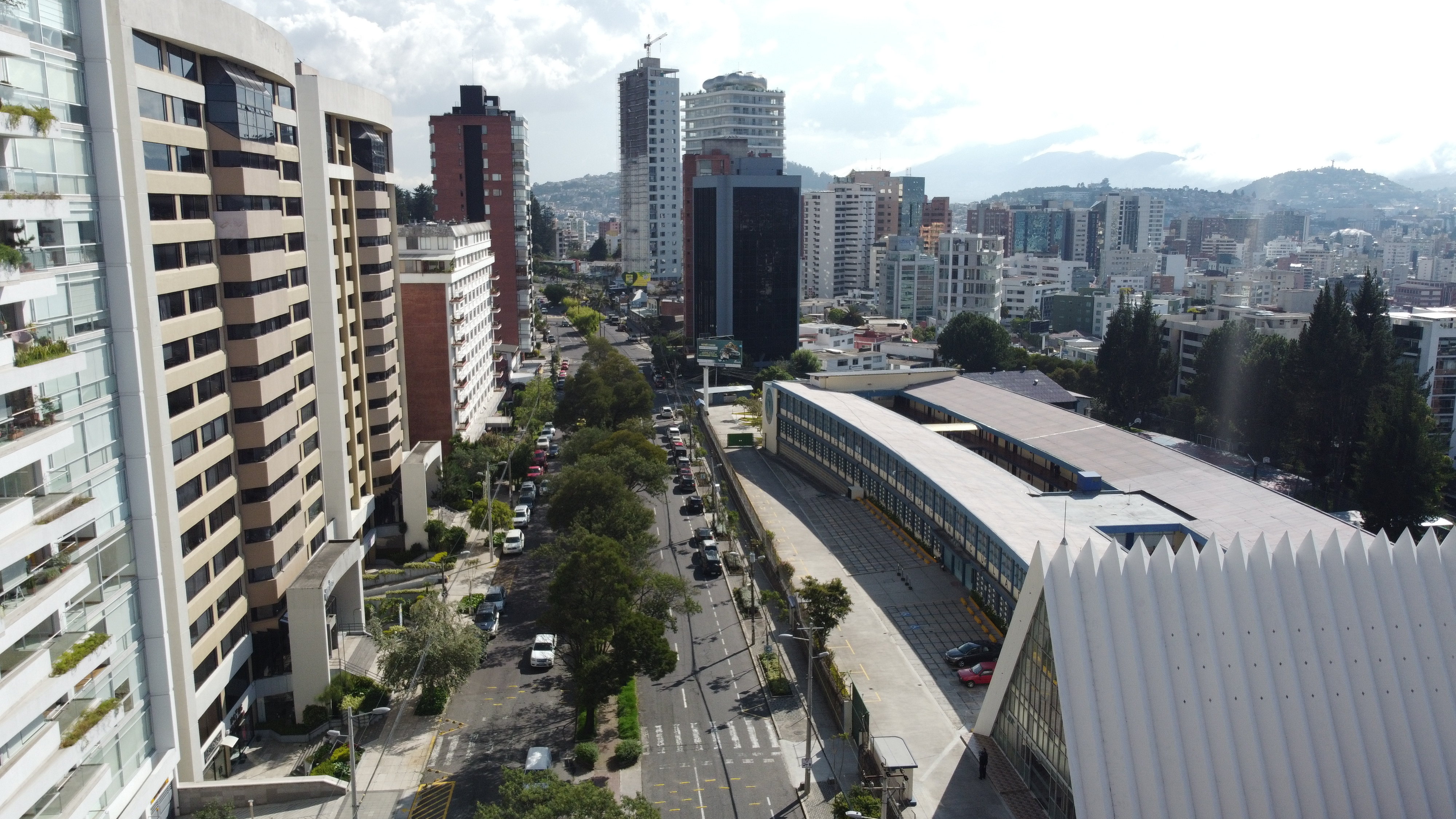
Bomb attack damages Ecuador mining agency probing illegal gold
It’s the second blast in recent weeks affecting Arcom offices.
June 29, 2026 | 12:28 pm

{{ commodity.name }}
{{ post.title }}
{{ post.date }}
Comments