Aluminum price posts fourth weekly decline on Mideast supply return
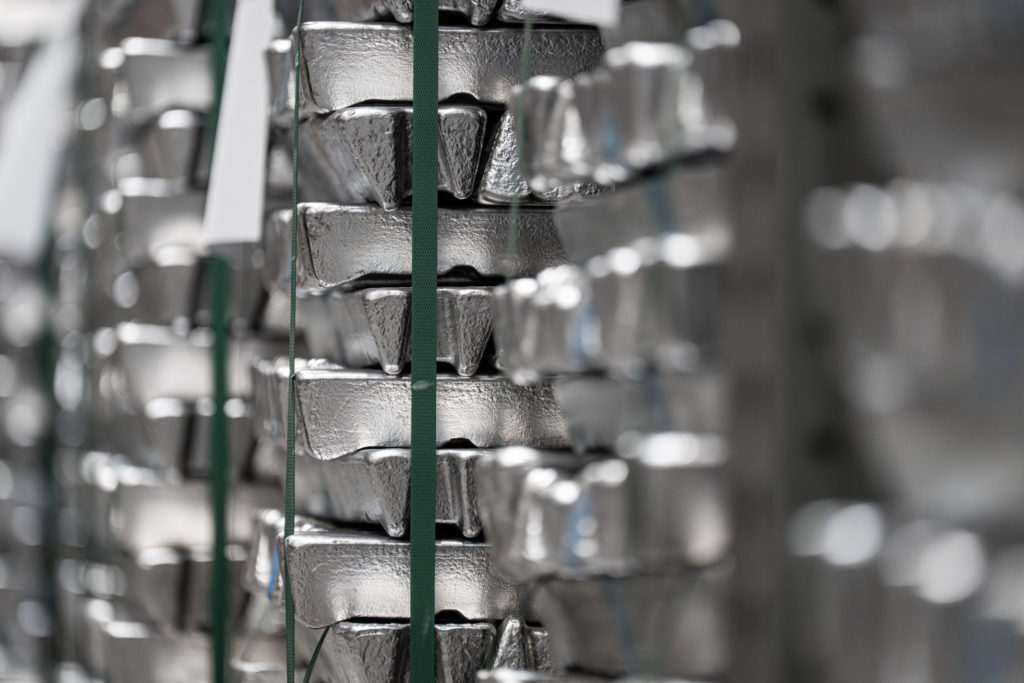
Aluminum capped a fourth weekly decline, the longest losing streak since April 2025, as a renewed selloff in tech stocks added to pressure from the dollar’s recent rally and returning Middle East supplies.
The metal fell 6.4% this week as the interim US-Iran peace deal fueled expectations of renewed shipments from a region that accounts for nearly 10% of global production.
Prices were headed for an even bigger drop but edged higher during Friday’s session after US President Donald Trump accused Iran of violating the ceasefire, reviving concerns over a war that has shuttered smelters and choked shipments from the Persian Gulf.
On Friday, Vitol Group shipped a stranded cargo of aluminum through the Strait of Hormuz in an early sign of supply relief for buyers rocked by shortages since the start of the war.
However, there are ongoing worries about the stability of trade through the strait, particularly after a vessel was hit by an unidentified projectile on Thursday. In a social media post, Trump said “at least four” one-way attack drones targeted ships in the waterway and one of them “solidly hit the upper deck of a large and very expensive” cargo ship.
Some aluminum analysts and traders still foresee a residual squeeze on supplies, while others expect Middle Eastern exports and output to accelerate swiftly. That would help replenish global inventories that have been aggressively drawn down in some consumer markets.
Industrial metals were also under pressure on Friday amid a selloff in technology shares, underscoring the heightened volatility that has gripped the sector this week. Metals often move in tandem with tech stocks due to their applications in electronics, wiring and data centers.
Aluminum will continue to fluctuate at a weak level, kept in check by bearish short-term macro sentiment, brokerage Jinrui Futures Co. wrote in a note.
Earlier this week, US Federal Reserve policymakers signaled growing support for interest-rate hikes in the coming months. Higher borrowing costs are a headwind for commodities that don’t pay interest, making them a less attractive investment than yield-bearing assets like Treasuries.
Recent dollar strength has also made metals priced in the US currency more expensive for most buyers. A gauge of the greenback was on track to gain around 0.5% this week, having struck a seven-month high on Wednesday.
Aluminum settled 0.5% higher at $3,179.50 a ton on the London Metal Exchange. Copper, tin and zinc also gained while nickel and lead declined.

{{ commodity.name }}
{{ post.title }}
{{ post.date }}
Comments