Brazil draft rule opens uranium mining to private partners
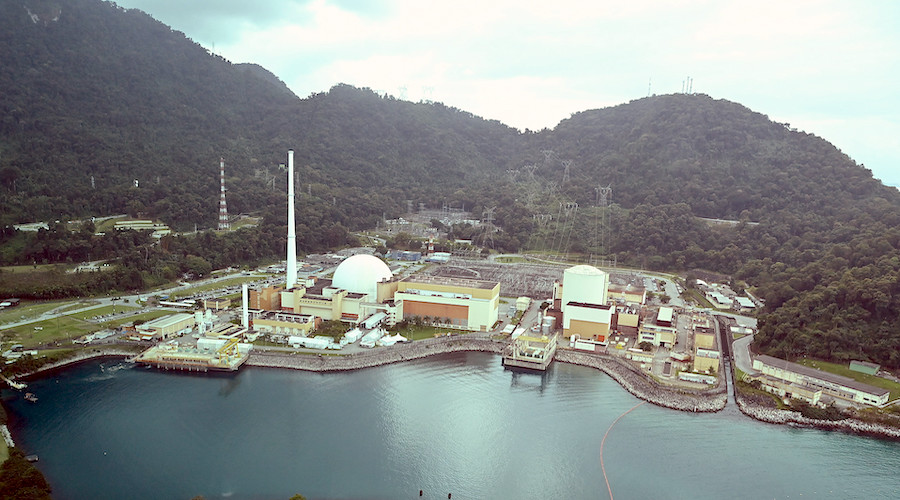
Brazil plans to open its uranium mining sector to private investment by allowing partnerships with companies, provided the state-owned nuclear company retains at least a 20% stake in each venture, according to a draft regulation seen by Bloomberg.
Under the proposal, Nuclear Industries of Brazil (INB), the government-owned company that currently holds a monopoly over the country’s nuclear fuel cycle, would be allowed to solicit bids for joint mineral exploration. It could also partner with private companies to mine, process, industrialize and sell uranium and other nuclear minerals.
The plan is currently under review at the Chief of Staff’s office and the country’s Mines and Energy Ministry, and changes may be made. The content was first reported at the end of last month by Agência iNFRA.
Spokespeople at INB and the Mines and Energy Ministry declined to comment. The Chief of Staff’s Office didn’t respond to requests for comments. At a press conference earlier this month, Special Secretary Roberto Garibe said officials are still assessing the implications of some of the proposed measures and expect to reach a position soon.
According to the current draft, the private partner would cover the project’s investment costs. It would also hold a controlling stake if INB’s contribution of mining assets is worth less than the capital needed to develop the project.
Mining-rights holders would have 12 months after the decree takes effect to report any nuclear substances found in their concession areas. They would then have to either partner with INB or supply the ore to the company. Failure to comply may result in the reacquisition of the mineral-exploitation rights by the government, according to the plan.
The measure is expected to help boost Brazil’s uranium exploration and production as the global market tightens amid a resurgence in nuclear power. Countries are extending the lives of aging reactors and building new ones to meet rising electricity demand and decarbonization goals.
“Global uranium output fell short of demand last year,” INB President Tomás Albuquerque Figueiredo said in a May interview. “With production from existing mines declining, new mines will be essential to supply the roughly 70 reactors expected to come online.”
Brazil holds about 3% of the world’s uranium resources but produces only a small amount of nuclear-reactor fuel, according to the World Nuclear Association. Its output isn’t enough to supply the country’s two nuclear reactors west of Rio de Janeiro.
INB’s strategy includes resuming mineral exploration, expanding yellowcake production and completing the country’s nuclear fuel cycle. The company aims to double uranium concentrate production capacity to 800 metric tons a year at its Caetite facility in Bahia, the only operating uranium mine in South America.
“The idea is to bring private partners in to share the risk with INB and prepare for future demand,” Figueiredo said in May.
The executive said at the time that companies from China, France, Russia and Canada have approached INB to learn how they could participate in future partnerships.
(By Mariana Durao)
More News

{{ commodity.name }}
{{ post.title }}
{{ post.date }}
Comments