Guinea first-half bauxite exports hit record high on Chinese demand
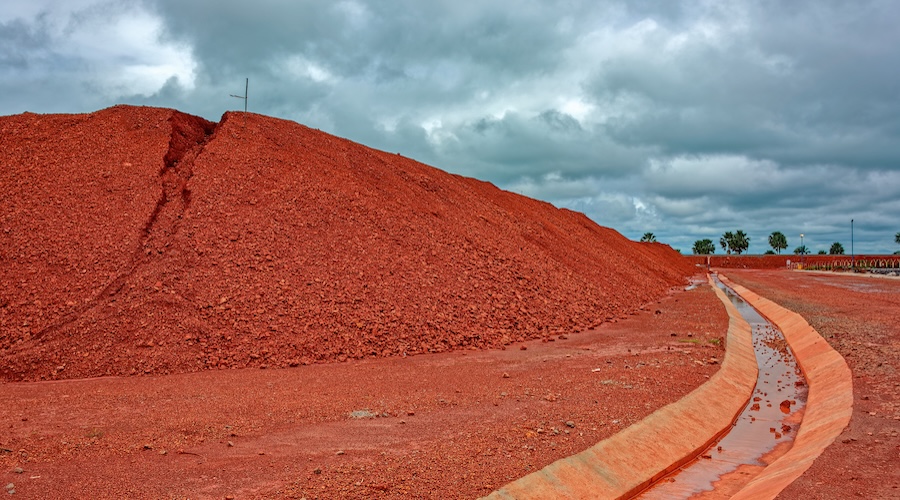
Guinea’s bauxite exports jumped 15% to a record high in the first half of 2026, official data showed, driven by robust Chinese demand despite mounting pressure on smaller producers from rising fuel and freight costs.
Bauxite is a feedstock for alumina, a key ingredient in aluminium widely used in the transport, construction and packaging industries.
Guinea, the world’s largest bauxite exporter, shipped 114.8 million metric tons of the material between January and June, up from 99.8 million tons a year earlier, according to mines ministry data seen on Tuesday by Reuters.
Second-quarter exports rose 5.3% year-on-year to 53.9 million tons from 51.2 million tons in the same period of 2025.
Industry leader Societe Miniere de Boke (SMB) shipped 16.95 million tons during the quarter, followed by China’s Chalco with 7.73 million tons and Compagnie des Bauxites de Guinee (CBG) with 4.13 million tons. Guinea also shipped 238,563 tons of alumina within the period, the data showed.
Chinese companies dominate Guinea’s bauxite sector, which sends about 70% of its exports to China, and control over 60% of Simandou, the world’s largest untapped iron ore deposit.
Guinea proposed curbs to output
Guinea has considered imposing curbs on bauxite exports to support smaller miners and lift prices, but has yet to implement them.
Global bauxite prices have weakened in 2026 due to oversupply after last year’s rally, with Guinea Free On Board prices holding around $38-$39 per dry ton, according to commodity price tracking firm Procurement Resource.
Guinea’s strong export performance comes despite mounting operational challenges during its rainy season and a sharp rise in logistic costs linked to the Middle East crisis.
“It is becoming very expensive to mine and ship bauxite,” said sector analyst Mehdi Chehab, adding that fuel prices have risen by more than 80% while rough seas have increased voyage times and freight costs.
A second analyst said smaller miners producing lower-grade ore have been hit hardest.
One of them, Dynamic Mining, has halted operations while three other firms have suspended or reduced activities, the analyst said, speaking on condition of anonymity to discuss sensitive issues. Dynamic Mining did not immediately respond to a request for comment.
The disruptions are unlikely to significantly affect Guinea’s overall 2026 output because major exporters continue to expand production and new operators are entering the market, said the second analyst and a mining executive who also spoke on condition of anonymity.
(Reporting by Maxwell Akalaare Adombila; Editing by Pratima Desai and Emelia Sithole-Matarise)
More News
Most mines face water risk: ICMM
The report gathered data from 12,000 facilities across 148 countries.
July 22, 2026 | 12:30 pm
{{ commodity.name }}
{{ post.title }}
{{ post.date }}
Comments