Indonesia weighs export rule exemptions for commodity traders
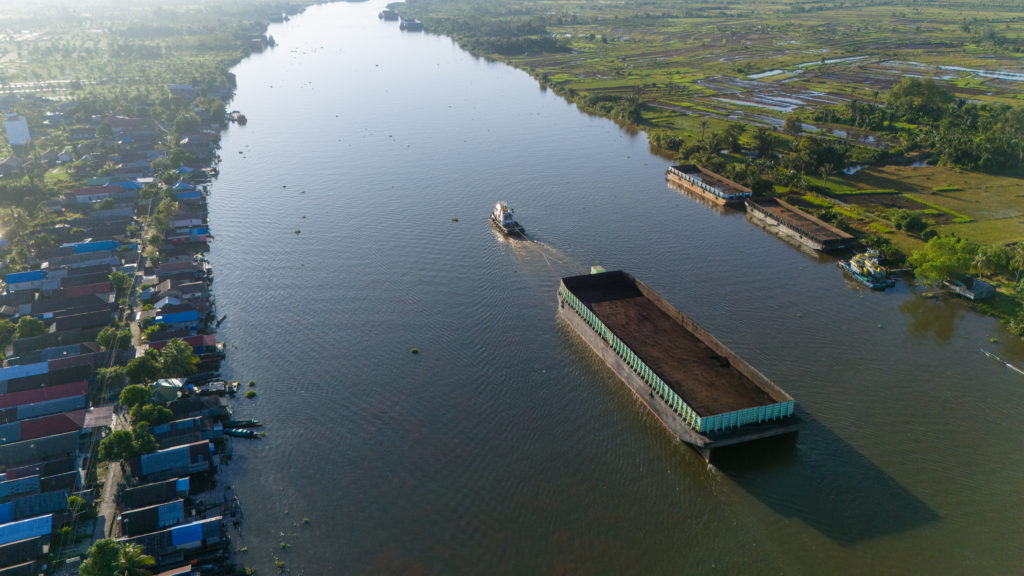
Indonesia is discussing carve-outs from sweeping new export controls that could allow commodity traders to sidestep all or part of the rules in exchange for investments in the country and joint ventures with a newly established state body.
The wide-ranging exemptions have been discussed during meetings between Danantara Sumberdaya Indonesia — a newly created arm of sovereign wealth fund Danantara, set up to run the policy — and major exporters and traders, according to people involved in the discussions. They asked not to be named as the conversations were private.
President Prabowo Subianto shocked markets late last month with a radical overhaul of key commodity exports that has upended one of Indonesia’s most lucrative sectors, ostensibly to crack down on revenue leaks.
The announcement unsettled already rattled investors, and has left traders and exporters across coal, palm oil and metal markets struggling to understand the impact of the change. Some also questioned how an entity which has yet to hire trading staff in significant numbers would handle exports worth $65 billion a year.
The debate over workarounds is in part a reflection of the complexity of the president’s proposal, the people said. The discussions remain at an early stage and are subject to final government review.
Danantara and unit DSI did not immediately respond to requests for comment.
Regulation governing the new plan, published on Friday, did include a clause that allowed room for exemptions for companies that have local investment, processing or refining agreements. No further detail was offered.
DSI has since indicated that the provision should help curb tax leakage while facilitating exports, as companies that meet its requirements may be allowed to continue managing their own shipments, the people said.
Exemptions would be a best-case scenario, some of the people added, as companies make the most of the government’s efforts to court investment in coal, metal, agriculture and energy processing.
The new framework has begun a transition phase, before full implementation on Jan. 1. At that point, DSI would handle everything from contracts to shipping and payments, according to details provided to date.
(By Anuradha Raghu and Alfred Cang)
More News
{{ commodity.name }}
{{ post.title }}
{{ post.date }}
Comments