Islamist militants target gold mining regions in West Africa
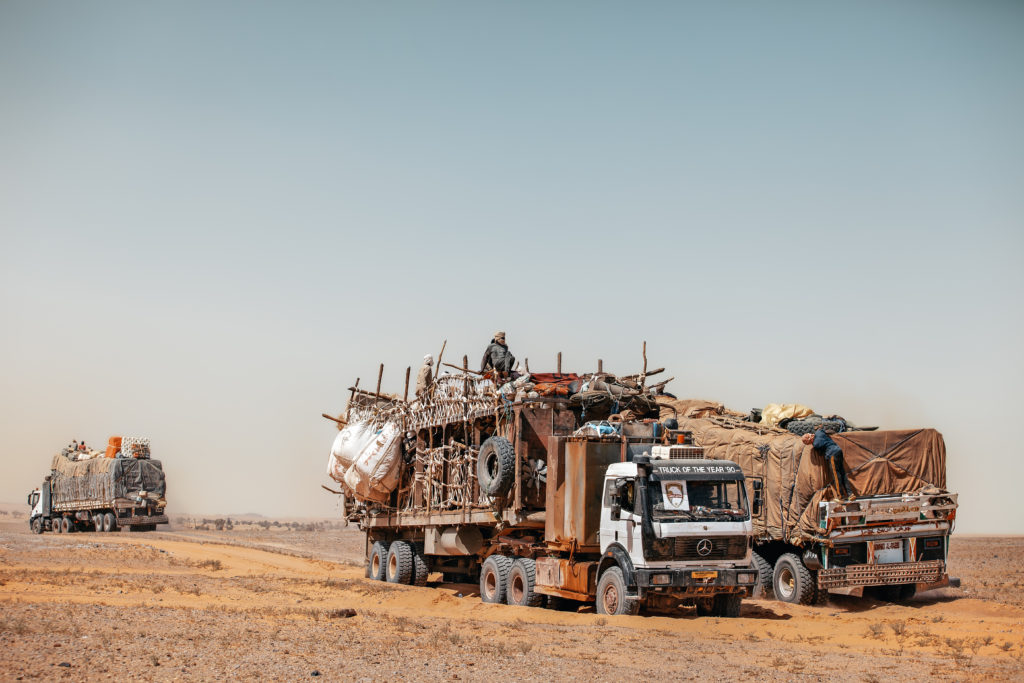
Islamist militants are broadening their operations across central West Africa’s mining regions, competing with governments for territory and raising concerns about the security of mining investments.
Militant groups, especially al-Qaeda-linked Jama’at Nusrat al-Islam wal-Muslimin, are increasingly targeting roads, communities and commercial networks within about 10 kilometers (6 miles) of mining concession boundaries in the central Sahel region, new research by conflict monitor ACLED found. Gold-related sites accounted for about 90% of the incidents recorded across Burkina Faso, Mali and Niger, it said.
Mali and Burkina Faso are among Africa’s biggest gold producers, with mines operated by Barrick Mining Corp., B2Gold Corp., Endeavour Mining Plc and Allied Gold Corp.
The region’s gold rush is giving armed groups new opportunities to raise revenue, recruit fighters and expand their influence, ACLED said.
Mining areas are increasingly serving as “spaces where economic activity, security provision, governance, and armed contestation intersect,” ACLED West Africa analyst Heni Nsaibia wrote in the report. This shows armed groups are seeking to disrupt the broader mining economy rather than simply seize mineral resources, he added.
Burkina Faso comprised about three-quarters of mining-related conflict events in the central Sahel since 2015, but the violence has spread across the region. By 2025, Mali and Niger made up a growing share of recorded incidents.
“What may begin as attacks on mining personnel, infrastructure, or transport can develop into broader competition over movement, territorial control, local authority, and access to resources,” Nsaibia said.
In Mali, mining areas have become flashpoints in wider battles over territory, movement and local influence, involving jihadist groups, rebel factions, pro-government militias, state forces and Russian-backed troops.
Most attacks are taking place “around the edges of these operations, against security positions or nearby facilities, because directly attacking an industrial mine requires more resources and carries significant risks,” Nsaibia said in a separate interview.
Instead, armed groups have increasingly turned their attention to smaller, semi-mechanized mining operations, which present easier and more frequent targets.
“That’s also where we have seen several kidnappings of Chinese workers, with around a dozen incidents involving dozens of Chinese nationals over the past year,” Nsaibia added.
For investors, the risk increasingly extends beyond physical security to questions of access and logistics.
While Chinese companies have a relatively high tolerance for insecurity, the kidnapping of dozens of their citizens, followed by ransom demands and negotiations, inevitably affects their strategic assessments, Nsaibia said.
“They understand that the situation is becoming increasingly uncertain, and that is an argument for being more cautious with investments and engagement.”
(By Katarina Höije)
More News
{{ commodity.name }}
{{ post.title }}
{{ post.date }}
Comments