Nickel giant Tsingshan halts some export loadings from Indonesia
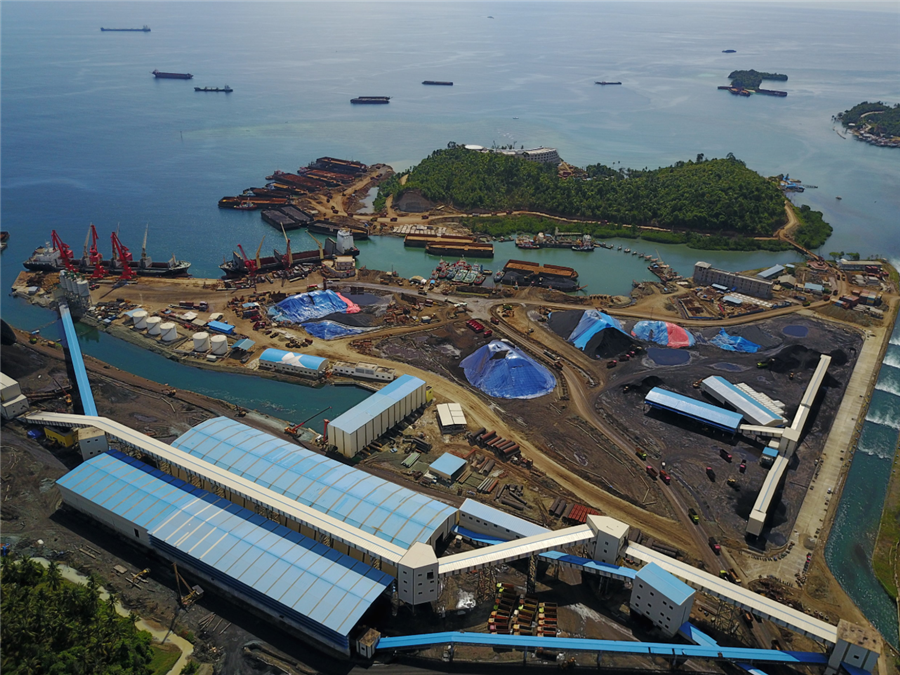
Indonesian smelters operated by Tsingshan Holding Group Co., the world’s largest nickel producer, have suspended exports of some metal products as executives seek clarity on a new government inspection policy, according to people familiar with the matter.
A Chinese heavyweight whose production in Indonesia stretches from North Maluku to Sulawesi, Tsingshan has stopped loading shipments of mixed hydroxide precipitate, or MHP, the people said, asking not to be identified because the matter is private. MHP is an intermediate nickel product widely used in electric-vehicle batteries and contains cobalt.
Exports of other products, including nickel pig iron, have also been disrupted but have not been halted, some of the people said.
Indonesia has long used trade and processing policies to tighten government control on resources and to maximize the wealth it receives from that natural bounty. Most recently, it has stepped up inspection of shipments for traces of rare earths and radioactive elements such as uranium, the people said. Customs officials have requested additional laboratory testing, the people said, delaying several metal shipments this month.
Tsingshan ordered the suspension as a precaution, the people said, adding the move was not a response to a direct government order.
Tsingshan officials and Indonesia’s Government Communication Agency did not immediately respond to emailed queries.
Indonesia banned exports of unprocessed nickel ore and bauxite several years ago to encourage investment in domestic refining. Last year, the government also issued regulations requiring domestic use of rare earth minerals to be prioritized.
The latest delays could mean fresh disruption for the nation that produces the lion’s share of the world’s nickel, a metal critical to stainless steel and electric-vehicle batteries. Prolonged upheaval could tighten availability of battery materials and nickel products in the seaborne market.
The government has sent mixed signals, however. An Instagram video earlier this week argued that officials, including the military, should not obstruct metal exports over alleged rare earth content because such materials are not yet subject to export restrictions.
(By Alfred Cang, Annie Lee and Eddie Spence)
More News
{{ commodity.name }}
{{ post.title }}
{{ post.date }}
Comments