Chile’s deadly storm adds growing pressure to copper prices
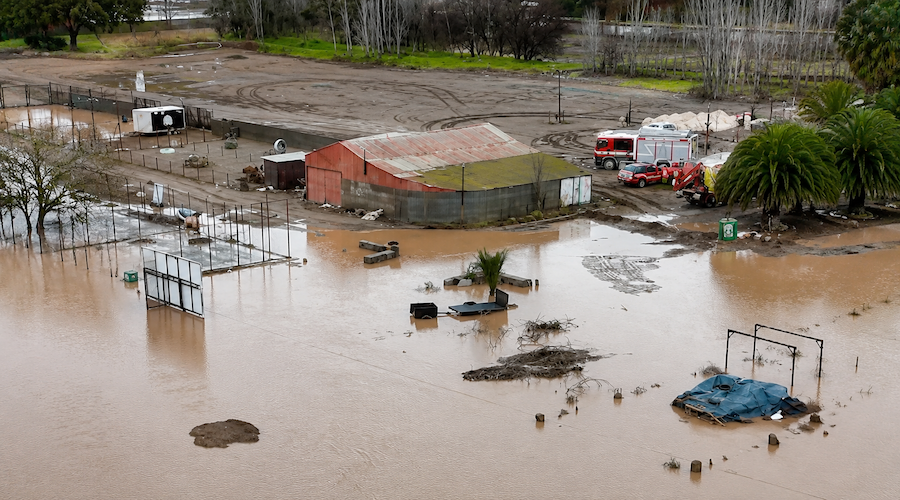
Deadly storms in Chile have disrupted copper mining in the world’s top producer in the past weeks, adding pressure to a market already struggling to meet surging demand from artificial intelligence, electrification and the energy transition.
The severe weather triggered flash flooding and heavy snowfall across northern Chile, where many of the world’s largest copper mines operate. The storms have left at least 13 people dead and thousands affected across multiple regions, according to government officials.
Canada’s Lundin Mining (TSX: LUN) suspended operations at its Caserones copper-molybdenum mine in the Atacama region after heavy snowfall disrupted power supplies. Mining operations at its Candelaria mine were briefly impacted by heavy rainfall, but the mill continued to operate using existing ore stockpiles. Full operations will resume in about two to three weeks, the miner said, after discovering damage to two power line towers at Caserones.
Antofagasta (LON: ANTO) halted mining and processing for several days at its Los Pelambres operation and Barrick Mining (TSX: ABX) (NYSE: B) said Saturday it safely evacuated workers from its Barriales camp in northern Chile by helicopter after roads became impassable because of severe weather. The company said it would keep the aircraft available to Chilean authorities through July 29 to support rescue and logistics efforts.
State-owned Codelco temporarily halted operations at several mines, including El Teniente, while Anglo American (LON: AAL) and BHP (ASX: BHP) said they were monitoring conditions and remaining in contact with Chilean authorities.
Teck (TSX: TECK.A) (TSX: TECK.B) (NYSE: TECK) also reported impacts from the weather, partially shutting down its Carmen de Andacollo plant on July 17 after access roads were closed.
The operational halts extended beyond Chile. Heavy snowfall also affected mining operations and logistics in neighbouring Argentina, including Barrick’s Veladero mine, the Fénix lithium operation in the Salar del Hombre Muerto and the Vicuña copper project near the Chilean border, according to Andrés González, head of mining industry analysis at Plusmining.
“This should be viewed as a short-term disruption rather than evidence of a new operating norm,” González told MINING.COM “The exceptional severity of the rainfall and snowfall was partly favoured by El Niño conditions, which recur irregularly every two to seven years. Nevertheless, the event reinforces the importance of operational preparedness and climate resilience, particularly for high-altitude mining operations in the Andes.”
Tightening market
The production setbacks come as miners are already warning that years of declining ore grades, ageing operations and a lack of major new discoveries are tightening global copper supply. Copper prices have climbed this year on expectations of stronger Chinese demand and potential US import tariffs, while demand from AI data centres, renewable energy and electrification continues to accelerate.
Industry body ICMM published a report last week showing that roughly one-third of the world’s 12,000 metals and mining facilities operate in regions facing intense competition for water and elevated drought risk. It highlighted Chile as a particular area of concern.
Jefferies estimated this month that global copper production fell nearly 10% year over year in the latest quarter among miners representing about one-fifth of global supply, increasing the risk of significant market deficits over the next year.
The International Energy Agency also warned this month of mounting challenges in sustaining copper production in key producing countries, including Chile and Peru.
“In an already tight copper market, with prices trending higher, production disruptions can place further pressure on supply, particularly in the global copper concentrate market,” González said. “For now, however, the overall impact is expected to remain relatively contained.”
He said the industry’s longer-term challenge extends beyond the current storm. Demand for copper is expected to continue rising as AI data centres, electrification and renewable energy projects expand, while the pipeline of new mines is unlikely to keep pace.
“The copper market appears to be moving toward a more structural supply deficit,” González said. “Higher copper prices should improve the economics of projects that were previously considered marginal, but bringing new supply into production takes several years because of permitting, financing, engineering and construction requirements.”
Weather-related disruptions alone will not create the deficit, he said, but they can tighten an already constrained market by reducing supply at times when demand is accelerating.
Disruptions in Chile caused by heavy rains and snow storms are expected to continue into early August 2026 as heavy snowfall and ongoing storm cycles persist in the high Andes, though general lowland rains have begun to ease, the government said.
More News
{{ commodity.name }}
{{ post.title }}
{{ post.date }}
Comments