Rio Tinto in talks with Vitol over venture to cut freight costs
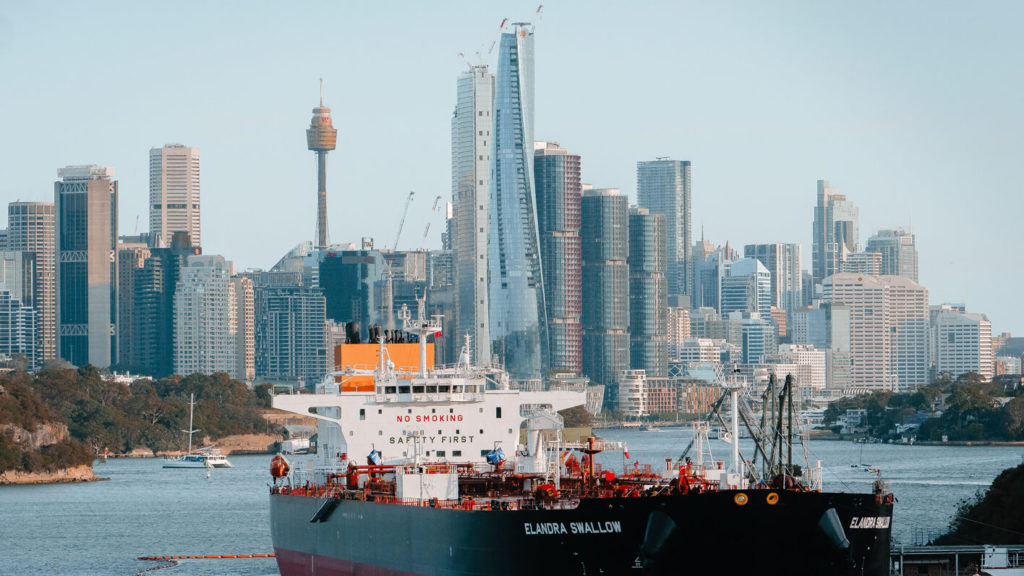
Rio Tinto Group is in talks with oil-trading giant Vitol Group about setting up a freight and logistics joint venture, less than five months after ending talks to buy rival miner and trader Glencore Plc.
The discussions are at an early stage and it’s not yet clear what any venture would ultimately look like, including its size and range, according to people familiar with the matter, who asked not to be identified as the talks are private.
Rio is the world’s second-biggest miner, with operations spanning from iron ore in Western Australia to copper in Mongolia and aluminum in North America. However, historically it hasn’t been as good as some of its peers in extracting maximum value from all parts of its business, something that chairman Dominic Barton and chief executive officer Simon Trott are keen to address.
By contrast, Vitol sends vast amounts of oil, gas and coal around the world, and has reaped bumper profits in recent years after wild swings in energy prices. While the scope of any deal would bear little comparison to buying an $80 billion company like Glencore, it underscores how Rio is looking to extract more profit from the full value chain of its business.
One area currently being discussed is how Vitol could help Rio with risk management tools for freight, potentially including derivative trading within its freight and logistics operations, the people said. Any venture won’t involve Vitol marketing Rio’s commodities, and there’s no guarantee an agreement will be reached, they said.
Rio and Vitol declined to comment.
Trading companies have been rapidly expanding in freight derivatives trading and growing their portfolios of vessels to capitalize on increasingly volatile markets that have been rocked by crises including the pandemic and war in Iran. The Middle East conflict disrupted trade flows and geographically stretched out the global fleet, pushing up shipping rates.
Vitol’s reach
As the top independent oil trader, Vitol handles 8 million barrels a day of crude and products. It has a history of collaborating with national oil companies in places including Oman and Mozambique to form trading and logistics joint ventures. It’s already a major fuel supplier to Rio for its giant Simandou iron ore mine in Guinea and Australian iron ore operations.
The trader has also made a push into metals trading in recent years, seeking to expand in the likes aluminum and copper, which Glencore and Trafigura Group have historically dominated. Vitol traded about 25 million tons of coal and 15 million tons of ferrous and non-ferrous metals in 2025, making it a significant participant in dry bulk freight markets which miners like Rio rely on.
Rio vies with Vale SA as the largest shipper of iron ore, exporting hundreds of millions of tons of the steelmaking ingredient from Australia every year, mostly to China. It also has copper and aluminum operations.
The miner in February walked away from talks to acquire Glencore after they failed to agree on valuation. While Glencore’s copper mining business was the key attraction, Rio was also keen to get its hands its on the trader’s sprawling marketing business which would have helped it on the commercial side.
Under Trott, who became CEO last year, Rio has laid out plans to simplify the business, sell assets and cut costs. That involves raising as much as $10 billion by offloading unwanted assets, looking at new commercial partnerships, as well as potentially selling infrastructure such as power generation and transmission assets.
(By Jack Ryan, Thomas Biesheuvel and Archie Hunter)
{{ commodity.name }}
{{ post.title }}
{{ post.date }}
Comments