Rio Tinto flags Middle East supply chain risks, posts higher Q1 iron ore sales
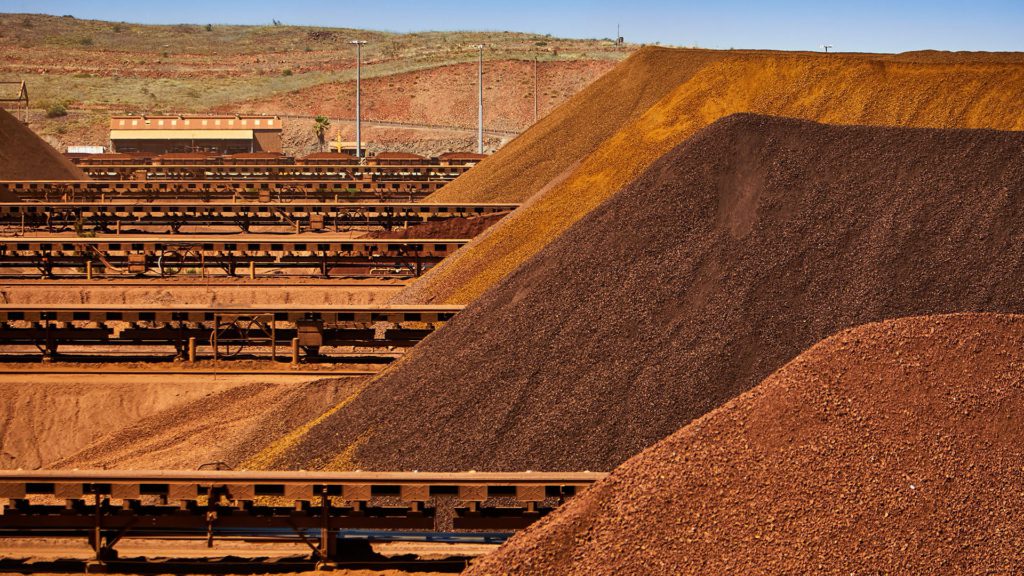
Miner Rio Tinto warned on Tuesday of limited visibility on the effects of the Middle East war on its supply chains in the second half, while stronger production from its Pilbara operations boosted first-quarter iron ore sales.
Shares of the world’s biggest iron ore producer rose as much as 1% to A$174.27 by 00:15 GMT, while the broader benchmark index was 0.2% higher.
“To date on the supply side, the direct impacts on our operations have been limited, while our commodity prices have responded favourably,” Rio said in a statement, adding that it had contingency plans in place for the ongoing conflict.
The Anglo-Australian miner, which turned down overtures from Glencore earlier this year to form the world’s largest mining company, said higher diesel prices had raised costs, but its cost position remained resilient, supported by its scale and global supply chain leverage.
“In the second half, we see jet fuel and diesel shortages as the key risk to operations,” said Baden Moore, head of resources and energy research at brokerage CLSA Australia.
“These shortages not only impact the operation of diesel equipment but may also limit the movement of goods and services as well as personnel to sites,” Moore said, adding that shipping shortages were not anticipated at this stage.
The company sold 72.4 million metric tons of iron ore from its Pilbara operations in the three months ended March 31, up 2.4% from a year earlier but below the Visible Alpha consensus estimate of 74.6 million tons.
Rio said its Pilbara operations posted their second-highest first-quarter production since 2018, reporting a 13% rise on productivity gains and fewer weather disruptions.
It maintained its 2026 Pilbara iron ore sales forecast at 323 million to 338 million tons.
Among other revenue-generating commodities, mined copper output for the quarter came in at 229,000 tons, higher than the 210,000 tons reported a year earlier, driven by stronger production at Oyu Tolgoi.
(By Shivangi Lahiri; Editing by Pooja Desai and Subhranshu Sahu)
More News
Anglo flags first-half loss at diamonds, coal units; cuts copper cost outlook
July 23, 2026 | 04:59 am

{{ commodity.name }}
{{ post.title }}
{{ post.date }}
Comments