Tsingshan asks some Indonesian nickel producers to cut output to free power for aluminum
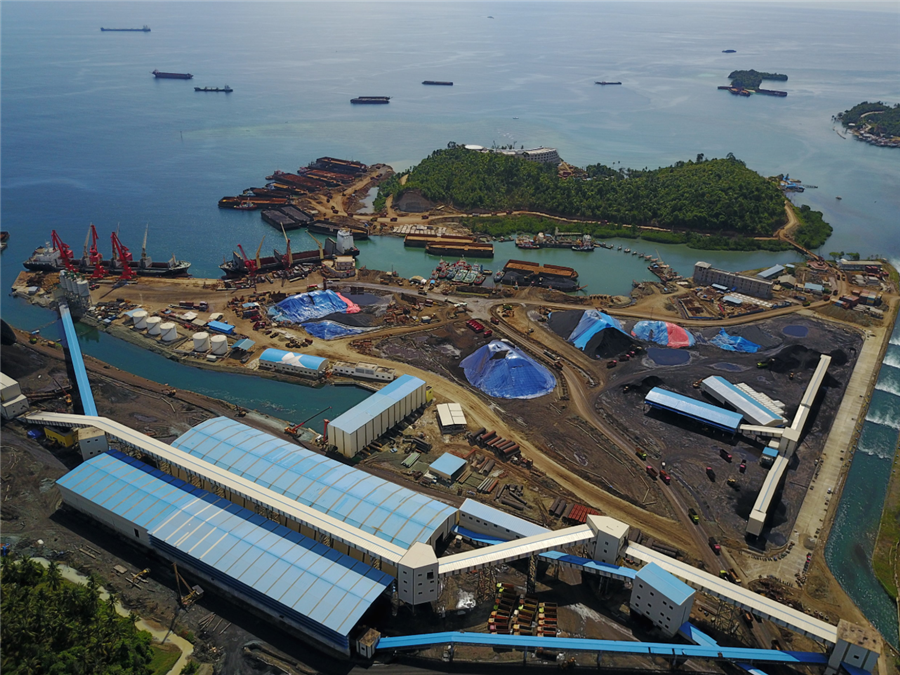
China’s Tsingshan Group has asked nickel pig iron (NPI) producers at Indonesia’s Weda Bay industrial park to curb output in June to conserve electricity for aluminum production, three sources familiar with the matter said, a sign the group’s push into the light metal is starting to squeeze nickel operations.
Tsingshan made the request last week to producers of NPI, a key feedstock for stainless steel, the sources said, adding that the company was prioritizing aluminum after a rally in prices increased margins for the power-intensive metal.
Tsingshan holds shares in the industrial park’s power plant and the move will redirect power from the area’s 22 NPI plants, some of which are owned by the company, to its single aluminum plant, co-owned by Tsingshan and Xinfa.
All three sources declined to be named because they were not authorized to speak publicly, and they were not able to confirm the extent of the output cuts.
Benchmark three-month aluminum on the London Metal Exchange has risen by more than 12% since the start of the Iran war, which has disrupted shipments of the metal through the Strait of Hormuz and damaged aluminum facilities in the Gulf region, home to close to 9% of global supply.
The rally helped widen aluminum margins, which were already above those for NPI, which only have a less than 10% margin, the sources said.
Tsingshan did not immediately respond to an emailed request for comment.
Power bottleneck
Tsingshan uses captive coal-fired power plants to supply the Weda Bay park, which has more than 700,000 metric tons a year of nickel-in-NPI capacity, according to a May investor presentation by Eramet, Tsingshan’s partner in PT Weda Bay Nickel.
The park, on Indonesia’s Halmahera Island, also hosts the Tsingshan-Xinfa Juwan aluminum project, which has an annual capacity of 250,000 tons.
Both NPI and aluminum smelting consume large amounts of electricity. Tsingshan’s expansion into aluminum has increased pressure on the park’s power supply, with captive power additions lagging the pace of smelter development.
“Building a captive power plant takes around 2 to 2.5 years, compared with less than a year for an aluminum smelter, which will constrain output below nameplate capacity,” said Rachel Zhang, head of China materials research at Morgan Stanley.
For Indonesian smelters, delivery times for power equipment have lengthened to around 21 months from 18 months in 2024, while costs have risen by roughly 30%, she said.
(By Dylan Duan and Lewis Jackson; Editing by Kate Mayberry)
More News
{{ commodity.name }}
{{ post.title }}
{{ post.date }}
Comments