US aluminum industry showing resilience in face of war’s disruption, association says
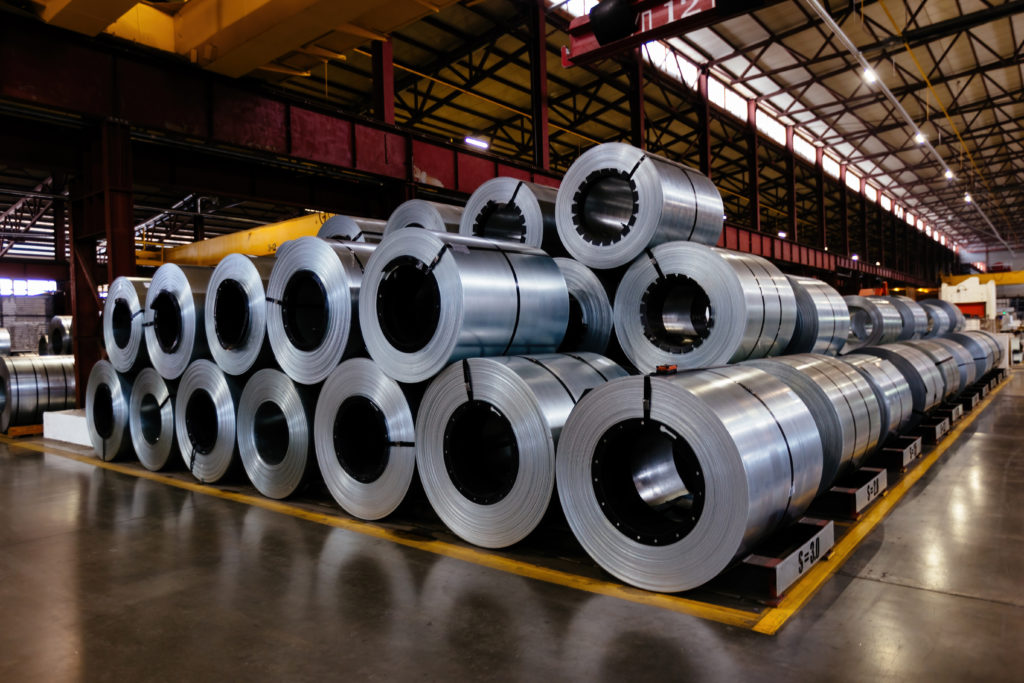
The US aluminum industry is facing real challenges due to the war in the Middle East, trade tariffs and high prices, but is showing resilience and ability to adapt, officials from the Aluminum Association said on Thursday.
“We are hearing from our members that their supply chains are adjusting in real time,” Chuck Johnson, president of the association that represents US aluminum production and jobs, said on a call with reporters. The impact on supply chains could be “more profound” as the conflict drags on, he added.
The Gulf accounted for around 22% of US primary and alloyed aluminum imports in 2025, but two of the region’s smelters have been targeted by Iran and others have been unable to ship metal via their usual channels due to the closure of the Strait of Hormuz.
“There is metal coming in from other smelters and other countries,” said Kelly Thomas, the association’s vice chair, without providing specifics. “The good news is that it is a global industry and there is material available. It’s just a matter of getting it to the United States.”
Domestic aluminum recycling capacity that the US has invested in is starting to come online, which will be able to replace some imported metal, said Duncan Pitchford, president of Norsk Hydro’s US unit.
US aluminum demand in 2025 was flat on 2024, according to the association’s preliminary numbers, Johnson said. “We … presume that there may be some demand destruction from direct tariff effects, but also from the uncertainty in the market. But we have not confirmed that to date,” he added.
The Trump administration last year imposed a 50% tariff on imports of aluminum into the US, and this month made some adjustments. “This closed a critical loophole that previously allowed unfairly traded aluminum to enter the US market through the downstream goods,” Johnson said.
(By Tom Daly; Editing by Paul Simao)
More News
Rio Tinto CEO sees shift in lithium demand from grid storage
July 28, 2026 | 05:04 pm
Rio Tinto logs 43% rise in interim profit
July 28, 2026 | 03:47 pm
{{ commodity.name }}
{{ post.title }}
{{ post.date }}
Comments