Yen shorts just hit a 19-year high. Gold did this last time
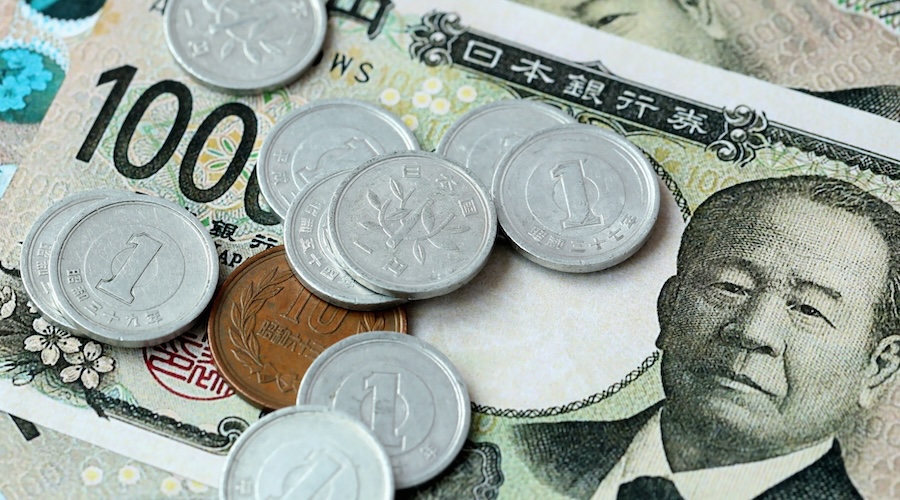
Hedge funds have rebuilt the yen short to its most crowded since 2007, Japan has already spent a record $72.7 billion defending the currency, and gold trades above $4,100 today against roughly $2,400 during the last unwind. The history of what a forced unwind does to metals is worth knowing before the next one.
Leveraged funds held roughly 138,000 net short futures and options contracts on the Japanese yen as of June 30, according to CFTC data reported by Bloomberg. It’s their largest bearish position since 2007. The yen sits near ¥162 to the dollar, its weakest since 1986, and gold trades near $4,126 an ounce, per Trading Economics data.
For a commodity investor, that combination is the whole story in one line: the most crowded yen short in nearly two decades has been rebuilt alongside a gold market trading at a significantly different level.
The setup, briefly
The trade itself is simple. The Bank of Japan’s policy rate stands at 1% after its June hike, a 31-year high, while the Federal Reserve has held its target range at 3.50% to 3.75% for four consecutive meetings. Borrowing cheap yen to fund higher-yielding dollar assets still pays, and funds pile in accordingly.
Japan has already pushed back hard. The Ministry of Finance spent a record ¥11.73 trillion ($72.7 billion) intervening between late April and late May, Hedgeweek reported, and Finance Minister Satsuki Katayama says the government is ready to step in again. It didn’t hold. The yen has since fallen to ¥162, and Prime Minister Sanae Takaichi’s spending plans and preference for low rates are adding to the pressure at home.
BCA Research told Bloomberg in February that the trade had become “a ticking time bomb.” The positioning data now says the bomb has been rebuilt larger than the one that went off two years ago.
August 2024: what a forced unwind actually did to metals
The precedent is recent, well documented, and mostly remembered as an equity story. The Nikkei’s 12.4% single-day crash on August 5, 2024, its worst since 1987, and the VIX spike to 65.73 got the headlines. What happened next sorted metals by what they fundamentally are.
Gold was sold first. It had climbed to an intraday high of $2,476 an ounce on August 2 on the weak US jobs print, and three days later it dropped more than $100 to an intraday low near $2,367. Nothing about gold’s fundamentals changed over that weekend. It fell because it was the most liquid thing in a leveraged portfolio facing margin calls denominated in yen: when funds need cash in hours, they sell what has a bid, and gold always has a bid. The same mechanism took Bitcoin down as much as 17% intraday and dragged mega-cap technology stocks, Nvidia among them, into the liquidation.
Then the sorting began. Safe-haven buying returned before the close and gold finished August 5 back above $2,400, the round trip completed inside a single session. Silver, which carries an industrial-demand role alongside its monetary one, fell harder than gold in the flush. Copper and crude oil, priced off growth expectations rather than safety, sold off with equities and did not get gold’s late-day bid. Mining equities took both hits at once, falling with the equity market while their underlying metal was being sold for cash.
The episode compressed a full commodity cycle’s worth of behavior into about seventy-two hours: monetary metals were sold for liquidity and bought back for safety; industrial metals were simply sold.
The stabilization is equally instructive. BOJ Deputy Governor Shinichi Uchida said on August 7 that the bank would not raise rates further while markets remained unstable, the Nikkei had already rebounded 10.2% the day before, and the VIX was back under 20 by August 12. A two-sentence central bank pledge ended it. That is the other half of the precedent: the crash was violent, and it was also short.
Why a repeat could be messier this time
Three things have changed since 2024, and none of them favour an orderly exit. First, the intervention card has largely been played: the $72.7 billion spent this spring was a record, it preceded any actual unwind, and the yen weakened through it anyway, which raises a real question about how much Ministry of Finance capacity remains for the moment it is genuinely needed.
Second, the pressure now comes from the bond market as well as the currency: Japanese government bond yields have been rising toward multi-decade highs (the 10 year hit 2.846 today) which squeezes the BOJ from a second direction and narrows its room to repeat the Uchida playbook of promising inaction.
Third, the position is bigger. The 2024 unwind cleared a smaller short than the one now on the books, and the commentary on financial X has moved from noting the crowding to openly gaming a blowout scenario.
The honest counterweights belong in the same paragraph. The rate gap funding the trade is narrower than 2024’s, when the Fed sat near 5% against a BOJ at zero, so there is less carry to unwind per contract. Markets assign a 97% probability that the BOJ holds at its July 30-31 meeting, per Polymarket odds, which removes the most obvious near-term trigger. And crowded positioning has unwound gradually before; 2024 needed a rate hike and a bad US jobs report in the same week to detonate. None of this makes a repeat inevitable.
What commodity investors should watch
The 2024 trigger was a pairing, not a single event: a BOJ move and a weak US payrolls print inside seventy-two hours. The forward calendar stacks the same ingredients within days of each other: the BOJ meets July 30-31, and the next US jobs report lands that same week. Between now and then, the tells are mechanical rather than narrative: USD/JPY breaking below recent ranges on volume, yen implied volatility waking up, and any Ministry of Finance language shifting from “ready to act” to action.
For positioning, the 2024 template is the guide. A disorderly unwind would likely hit gold first and hardest in the opening hours, precisely because it is the easiest thing to sell, and that dip proved mechanical rather than fundamental last time.
The structural bid underneath gold is, if anything, stronger now than in 2024: central banks bought 41 tonnes in May alone and China’s largest ETF is now a gold fund.
Historically, Silver should be expected to trade worse than gold in a flush and copper worse still, with mining equities amplifying whichever way their metal breaks.
The market that just rebuilt a 2007-sized short is betting the calm holds through August. The last time that bet was this crowded and broke, the whole commodity complex repriced in three days, and gold was the only thing that finished the week where it started.
More News
{{ commodity.name }}
{{ post.title }}
{{ post.date }}
Comments