ETM battles Greenland over rare earth ‘expropriation’
Energy Transition Minerals (ASX: ETM) says Greenland has effectively expropriated one of the world’s largest rare earth deposits outside China by blocking development of the Kvanefjeld project and refusing to renew the exploration licence underpinning it.
The Australian-listed company says it has invested about $150 million in Kvanefjeld through subsidiary Greenland Minerals since 2013, advancing the project through resource definition, environmental studies and public consultation before applying for a mining licence in late 2020. Months later, Greenland’s new coalition government passed Act 20, banning projects with uranium concentrations above 100 parts per million (0.01%), halting Kvanefjeld’s application.
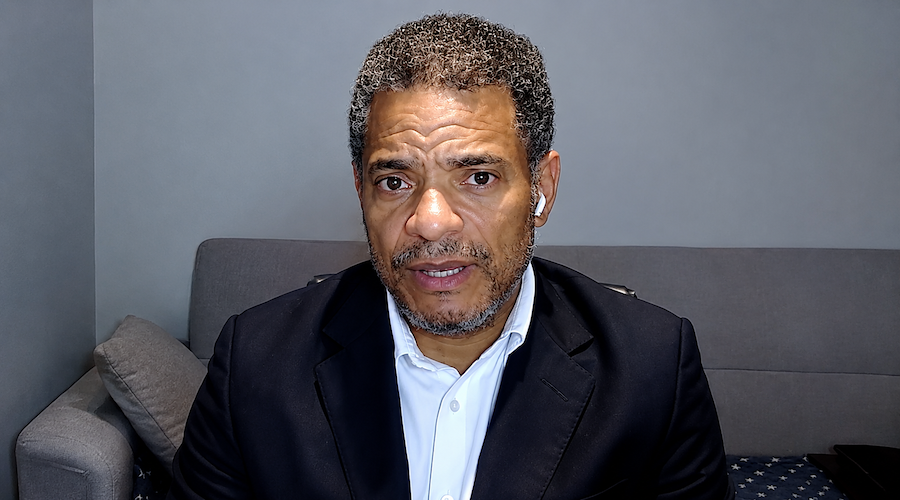
Managing director Daniel Mamadou argues the legislation was designed specifically to stop the project after the government campaigned on opposing its development.
“We’ve got a Greenlandic government that states that it is open for business and that it wants to do more mining projects,” Mamadou said this week on The Northern Miner Podcast. “And yet we have what is the most advanced shovel-ready project in Greenland in rare earth, in critical minerals, that is essentially stopped.”
‘Pack up and go’
The dispute has since widened beyond the mining application. Mamadou said Greenland had routinely renewed the company’s exploration licence every three years, including once after Act 20 became law, when officials maintained the legislation applied only to mining, not exploration.
The current government has since reversed that position, refusing to renew the permit on grounds the project can never comply with the uranium threshold. ETM argues the decision ignores exploration results from 2025 identifying rare earth mineralization with uranium levels well below the legal limit across largely unexplored parts of the licence area, while also rejecting proposals to separate uranium from the rare earth concentrate and permanently return it underground.
At the centre of the legal battle is whether Act 20 applies retroactively to Kvanefjeld and, if so, whether doing so amounts to expropriation. Mamadou said the legislation’s explanatory notes allow the government to waive the law where applying it would constitute expropriation, yet Greenland has avoided answering that question despite more than three years of arbitration and court proceedings. ETM says its objective is not financial compensation but reinstatement of its mining licence application.
Strategic stakes
Kvanefjeld hosts neodymium, praseodymium, dysprosium and terbium, rare earth elements essential for permanent magnets used in electric vehicles, wind turbines and defence technologies. ETM has previously estimated the project could supply as much as 15% of global rare earth production, potentially providing Europe with a significant non-Chinese source of critical minerals as Western governments seek to diversify supply chains.
Greenland’s government has consistently maintained the project lacks community support. Foreign Minister Múte Egede has said residents do not want the mine near Narsaq, reflecting longstanding concerns about uranium and environmental impacts. Mamadou disputes that characterization, pointing to support from some local labour leaders and opposition politicians while acknowledging the company lost ground in public engagement during the COVID-19 pandemic as criticism of the project intensified.
While the Greenland dispute continues through the courts, ETM has broadened its strategy by acquiring the Penouta brownfield project in Spain, which it aims to restart as Europe’s only producing tantalum mine. The company has also assembled an advisory board including former foreign ministers from Denmark and Australia as it continues pursuing Kvanefjeld, which Mamadou still views as ETM’s defining asset.
“Our case comes down to one simple question,” Mamadou said. “Are you expropriating us? Yes or no?”
{{ commodity.name }}
{{ post.title }}
{{ post.date }}
Comments