Meteorite may have ‘rained gold’ on Australia
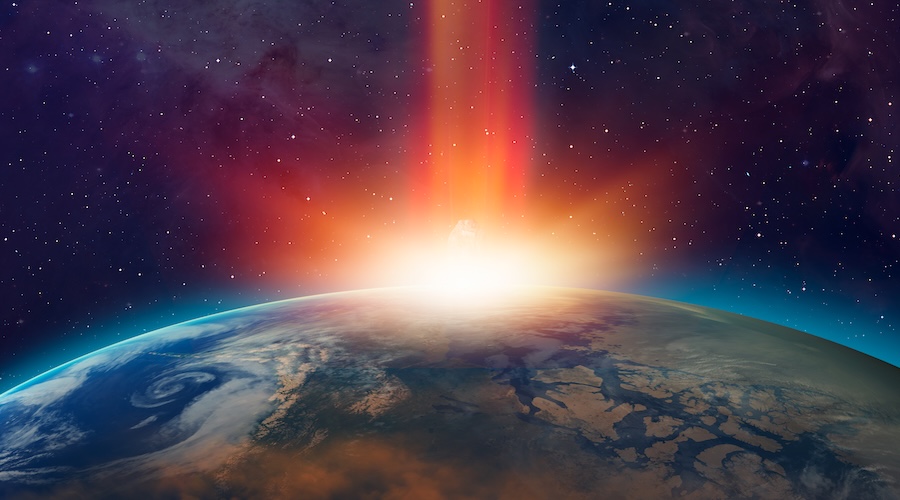
An ancient meteorite impact in Western Australia’s Goldfields may have redistributed gold while leaving behind rare geological evidence of one of Earth’s violent collisions.
Researchers led by former Curtin University PhD student Raiza Quintero confirmed that the Ora Banda structure, a 5-km-wide, heavily eroded, and partially buried crater, was created by a meteorite impact after identifying microscopic shock features in minerals that form only under extreme pressures.
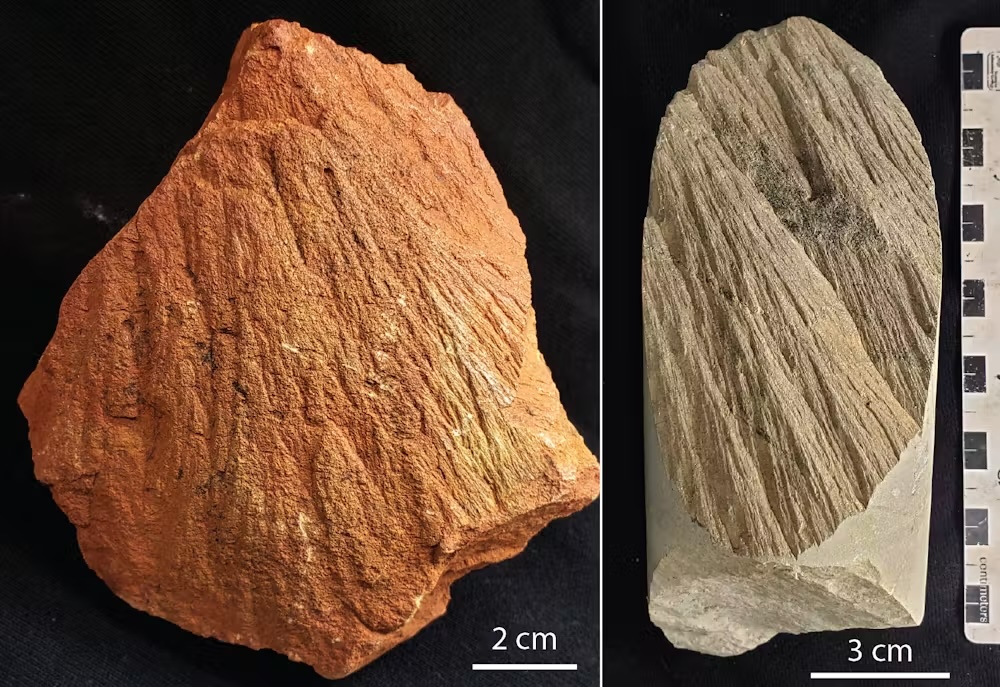
The team also detected meteorite residue preserved in impact glass using Curtin’s laser ablation GeoHistory Facility at the John de Laeter Centre.
“Large meteorite impacts don’t just leave craters — they fundamentally reshape the Earth’s crust, and some also host economic metal deposits,” co-author Dr Aaron Cavosie said. “In this case, the impact hit rocks in a mining district known to contain gold.
While the rocks we studied did not contain economic concentrations of gold, we found evidence that some gold was locally mobilized during the impact. Determining if impact sites like this created concentrated gold deposits is why these ancient impact structures are so important to study.”
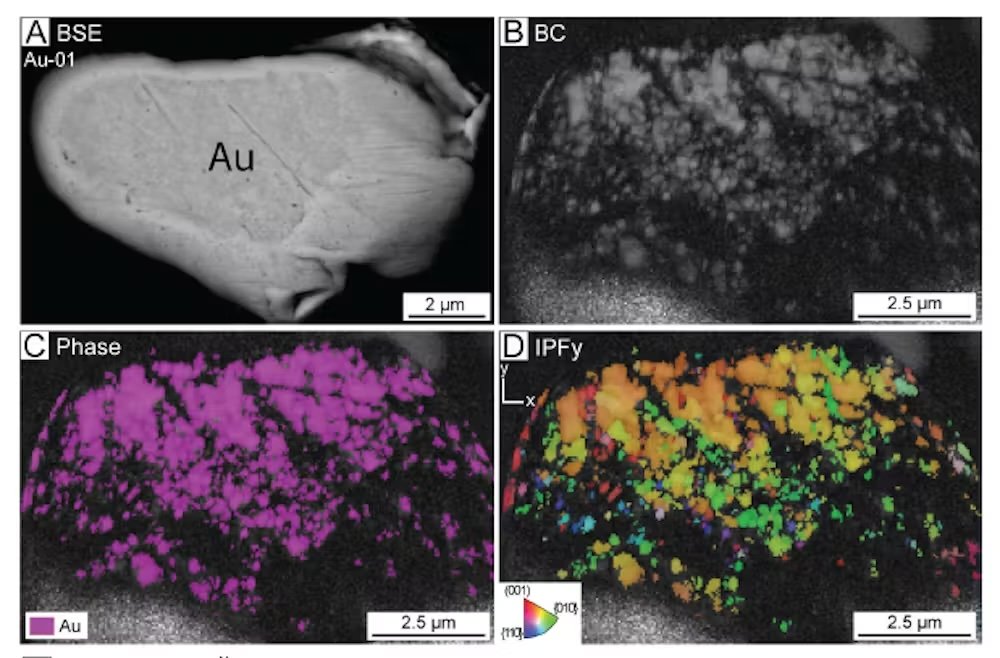
The findings add to growing evidence that asteroid impacts can influence mineral systems and alter the distribution of metals within the Earth’s crust. While the Ora Banda rocks examined by the researchers did not contain mineable gold concentrations, the study suggests ancient impacts may have played a role in concentrating or redistributing valuable metals in some regions.
The work also provides new insight into the geological history of Western Australia’s Goldfields, one of the world’s most prolific mining districts.
More News

{{ commodity.name }}
{{ post.title }}
{{ post.date }}
Comments