South32 breaks decade-long US permit curse at Arizona project
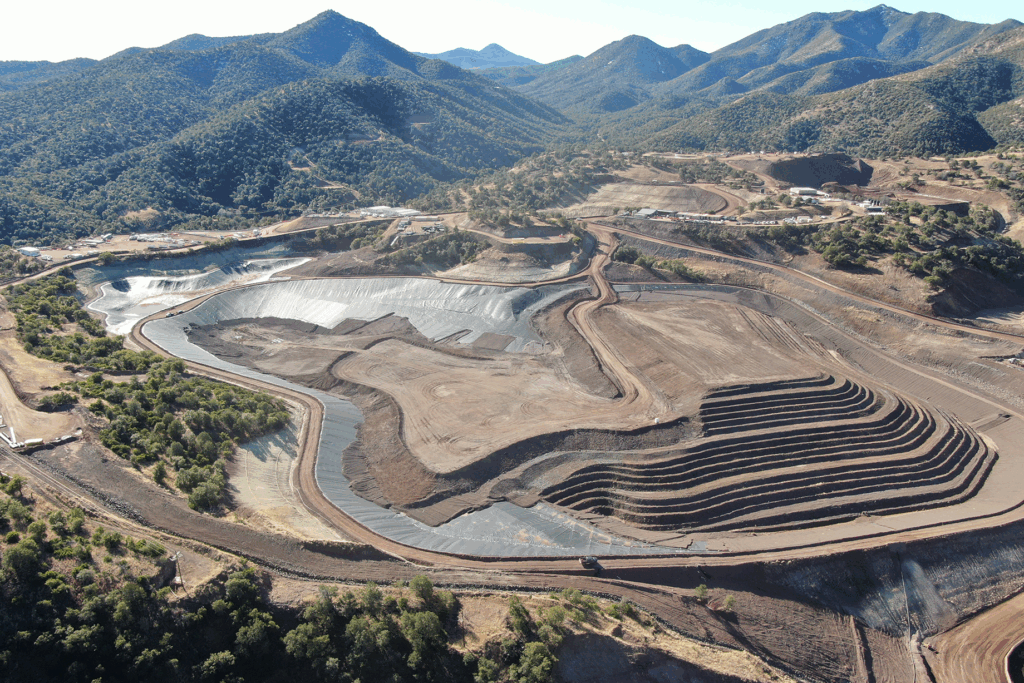
South32’s (ASX: S32) Hermosa zinc-silver project in southern Arizona has secured final federal approval in just over two years, becoming the first mining project to complete the US FAST-41 permitting process in a state where federal reviews have often stretched beyond a decade.
The record of decision issued in early July was the last approval required for the project, Pat Risner, president of South32 Hermosa, told The Northern Miner Podcast.
Risner, a mining engineer who spent 26 years at BHP (NYSE, LSE, ASX: BHP) before moving to Tucson in 2019 to build the team, said the record of decision was the last approval the project needed.
Arizona had already permitted the mine itself, allowing construction on private land to reach roughly the halfway mark. Federal approval, Risner said, covered infrastructure crossing public land, including a high-voltage transmission line, a second access road, tailings storage and water discharge points.
“Getting a large complex mining project done in two years is a big accomplishment,” Risner said. “I think it shows that FAST-41 is a very effective tool in getting these critical minerals projects permitted.”
Hermosa hosts one of the world’s largest undeveloped zinc deposits, a battery-grade manganese deposit and the emerging Peak copper discovery. Together, they could support a 70-year operation producing five federally designated critical minerals. Risner said the manganese deposit alone could satisfy US demand for battery-grade manganese, underscoring the strategic importance of a project that has become a test case for faster federal mine permitting.
Community focus
Hermosa entered the FAST-41 program as a covered project in 2023, receiving support beyond a published permitting schedule through the Federal Permitting Improvement Steering Council.
Risner said the process assigned a dedicated Forest Service project manager to coordinate agencies and keep decisions on schedule, reducing delays that often slow environmental reviews.
South32 began engaging local Indigenous communities in 2019, several years before formal federal consultation was required. The company has worked individually with 12 tribes and expects to sign a community protection and benefits agreement before year-end that includes environmental commitments exceeding permit requirements.
Hermosa has also been designed to reduce its environmental footprint. The underground operation will use dry-stack tailings and a filtration plant to recycle process water, reducing consumption to about half a gallon per pound of metal compared with seven to 30 gallons at many historical base metal mines. Over its projected life, the mine is expected to disturb about 750 acres, including roughly 400 acres previously affected by historical mining.
Costs rise
The permitting success comes as inflation pushes construction costs well above the estimates used when South32 approved the project in February 2024.
Risner said installed steel now costs about two-and-a-half times original estimates, while piping and concrete have more than doubled because of inflation, global conflicts, tariffs and competition for materials from Arizona’s expanding data centre and semiconductor industries. Labour shortages and contractor performance have also increased costs, pushing the construction program above $2 billion, though he said most remaining work is now under contract.
Both production shafts are expected to reach their final depth before year-end, with underground mining scheduled to begin late next year and first production targeted for early 2028.
“We’re estimating a 4-million-tonne gap between zinc supply and demand in less than 10 years,” Risner said. “To put that into context, you’d have to build three Hermosas every year between now and then to close that gap.”
Automation plans
South32 is also betting on automation to support local hiring and long-term operations.
The company is building a remote operating centre in nearby Nogales where primary underground mining processes will be automated, semi-autonomous or remotely controlled. The underground fleet will consist entirely of battery-electric equipment, which South32 says represents the mining industry’s largest such equipment order this year.
The strategy supports South32’s commitment to fill at least 80% of the mine’s estimated 800 to 900 jobs locally. Santa Cruz County has one of Arizona’s lowest per-capita incomes and unemployment near double digits. Operating equipment remotely from Nogales will allow workers without mining experience to train for technical roles, with the first class of electrician trainees scheduled to graduate in August.
More News
{{ commodity.name }}
{{ post.title }}
{{ post.date }}
Comments