BHP adopts new Chinese iron ore price index in deal to end dispute
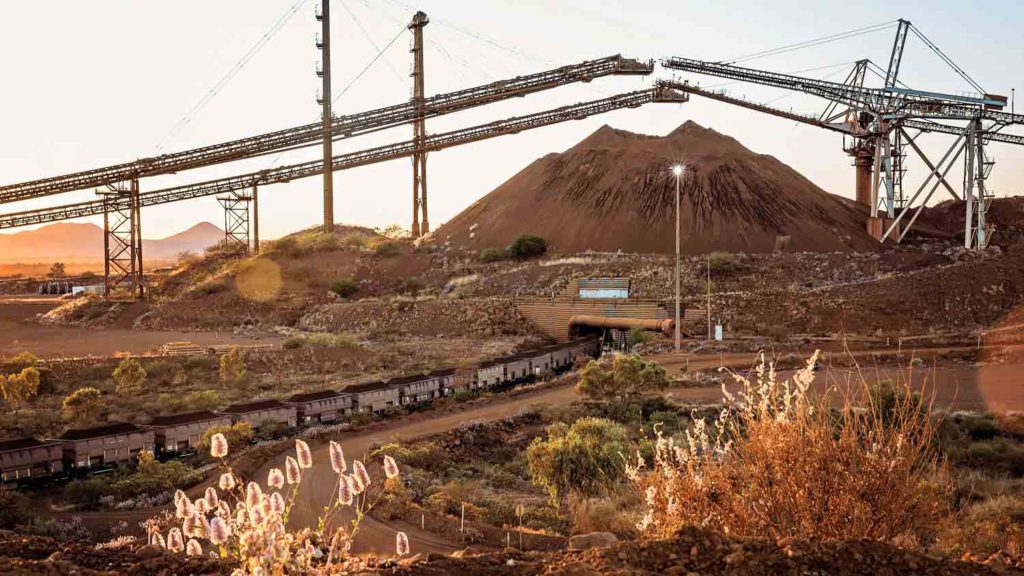
BHP Group agreed to use an additional Chinese iron ore price index for one of its flagship products as part of a deal with China to end a months-long dispute, three sources with knowledge of the matter said.
BHP, the world’s third-largest iron ore supplier, said on Wednesday that it had concluded negotiations on a new sales contract with China Mineral Resources Group (CMRG), ending the dispute stemming from bans on the procurement of the key steel-making ingredient from BHP.
Neither BHP nor CMRG – the Chinese state iron ore buyer – gave details of the agreement.
The new contract will last until the end of BHP’s 2027 financial year, according to an investor who said they were informed by the mining group’s executives.
Settlement for BHP’s Jimblebar fines, a medium-grade iron ore, will be based on a weighted average of four indices including the equivalent US dollar value of China’s COREX 61% iron ore portside index, which will carry a weight of 26%, two of the three sources said.
All the sources requested anonymity due to the sensitivity of the matter.
BHP declined to comment.
CMRG did not immediately respond to a Reuters request for comment.
Other indices for settling Jimblebar fines include the Argus 61% seaborne index, Mysteel 61% seaborne and the converted dollar value of the Mysteel 61% portside index.
Second miner to adopt index
Previously, BHP settled Jimblebar contracts with Chinese clients using either a fixed price or a combination of Argus and Mysteel seaborne indices.
The Beijing Iron Ore Trading Centre Corp, or COREX, launched its iron ore portside index last September in a push to gain a role in pricing iron ore imports, worth $123 billion in 2025.
BHP is the second Australian miner to adopt the COREX index following Hancock Prospecting, two of the sources said. China lifted a partial ban on iron ore procurement from Hancock last September, Reuters reported. It did not give a reason.
Hancock did not immediately respond to a request for comment.
Global miners and traders have been cautious about using COREX because of its relatively short data history and the fact that it is based on portside transactions rather than the seaborne market used in other indices, industry insiders said.
As part of the deal, BHP will offer a 1.8% rebate per iron ore vessel on term contracts, on top of a freight-linked discount for certain large ships, one of the sources said.
(By Reuters staff and Melanie Burton; Editing by Tony Munroe and Emelia Sithole-Matarise)
{{ commodity.name }}
{{ post.title }}
{{ post.date }}
Comments