BHP workers vote for strike action at Australian iron ore export hub
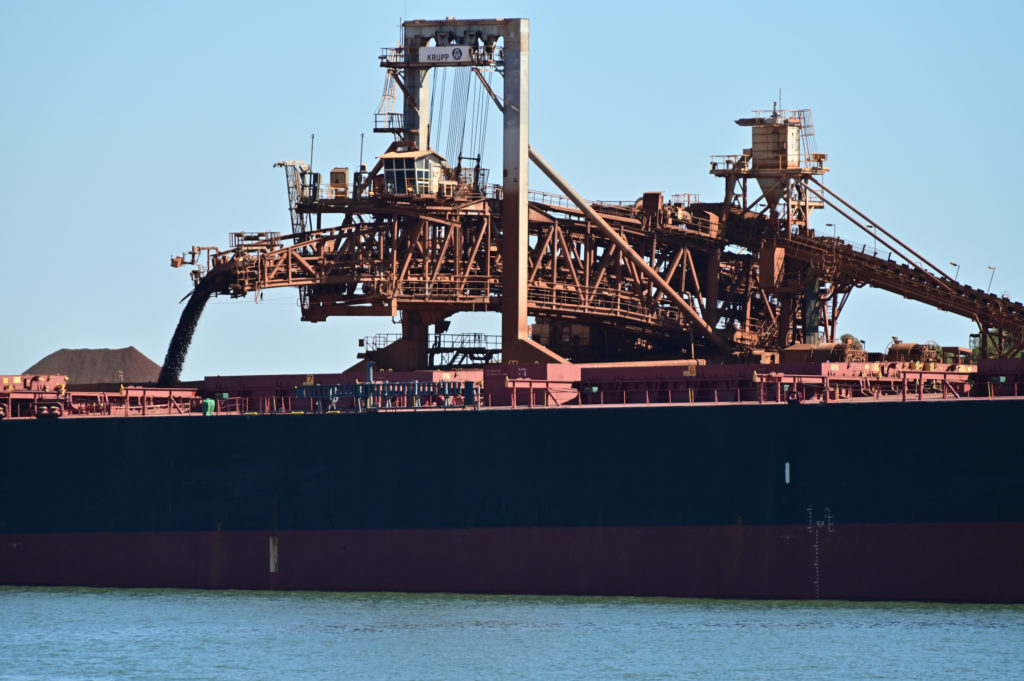
BHP workers at Port Hedland in Western Australia voted in favour of strike action, two unions said on Thursday, risking disruptions to iron ore shipments from one of the world’s biggest export hubs.
The Electrical Trades Union said around 100 members who voted all endorsed work stoppages ranging from 30 minutes to 24 hours, which could begin within days.
The Australian Manufacturing Workers’ Union said more than 100 of its members voted and 89.4% supported action.
The votes come after months of talks with BHP, the world’s biggest listed miner, with workers seeking improved pay and conditions.
BHP said its focus remained on “continuing constructive engagement to reach an outcome that maintains industry leading pay and conditions while supporting safe, productive and sustainable operations”.
Strong contingency plans are in place to ensure operations can continue in the event of union disruptions, it said.
Port Hedland is one of the largest iron ore loading ports in the world and the biggest in Australia.
It is linked to a number of BHP’s mines in the Pilbara region and is used for all of its iron ore exports in Western Australia.
The ETU said it was seeking an agreement that ensured parity for workers at the port with the same skills and experience, after they were hired on “wildly disparate” individual contracts.
“We have attempted to negotiate a resolution for more than six months, but BHP’s obstructive conduct has meant we don’t have anyone to negotiate with,” said Adam Woodage, state secretary for Western Australia.
Workers may begin industrial action after giving five days of notice, the union added.
AMWU state secretary Steve McCartney said workers had spent seven months unsuccessfully bargaining with the company.
“Members have had enough,” he said. “They are demanding to be heard and they are demanding a fair agreement.”
“More than 100 workers are standing up for fair wages and conditions during a cost-of-living crisis.”
(By Christine Chen; Editing by Louise Heavens, Thomas Derpinghaus and Elaine Hardcastle)
{{ commodity.name }}
{{ post.title }}
{{ post.date }}
Comments