Cameroon sees mining revenue overtaking oil at $1.75 billion, minister says
Cameroon expects annual revenue from newly launched mining projects and its newly overhauled gold sector to top 1 trillion CFA francs ($1.75 billion) in the short term, overtaking the traditionally dominant oil sector, its mines minister said.
Cameroon has long relied on crude exports for revenue and foreign exchange. As it seeks to diversify the economy, however, the government has ramped up efforts to attract investment into its largely untapped mining sector, targeting the development of vast iron ore, bauxite, gold and critical minerals deposits.
Mines Minister Fuh Calistus Gentry told a press conference on Wednesday that five major projects have entered production or commissioning.
They include the Minim-Martap bauxite mine, the Bipindi Grand-Zambi and Kribi-Lobé iron ore projects, the Bidzar marble project and the Colomine gold mine.
Additional iron ore projects at Mbalam, Nkout and Ngovayang, as well as the Mborguene and Bibemi gold projects, are expected to advance during 2026, Gentry said.
African countries, including Ivory Coast and Senegal, are increasingly turning to mining as they seek to diversify their economies, boost exports and attract investment beyond traditional sectors.
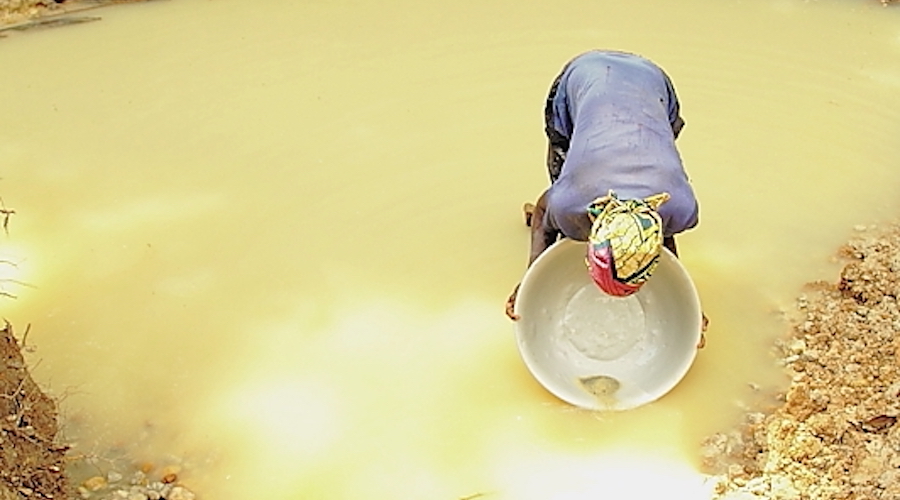
Cameroon’s revenue forecast is also driven by a sweeping overhaul of the gold sector that aims to capture large volumes of production that authorities found had been bypassing official systems.
Prior to the reform push, Gentry said 80% to 90% of gold produced by semi-mechanised miners was escaping state collection.
Authorities have identified more than 200 illegal mining operators, taken 137 companies to court and revoked all semi-mechanised mining permits pending compliance reviews.
The government expects tax and customs reassessments to recover 95 billion CFA francs from 2025 production and about 300 billion CFA francs from 2026 output, with joint enforcement operations starting August 1, he said.
In the longer term, Gentry said planned development of rare earths and other critical minerals could double annual mining sector contributions to about 2 trillion CFA francs, positioning mining as a key growth driver for the Central African economy.
(Reporting by Amindeh Blaise Atabong; Writing by Maxwell Akalaare Adombila; Editing by Joe Bavier)
{{ commodity.name }}
{{ post.title }}
{{ post.date }}
Comments