Russia weighs windfall levy on mining companies amid Ukraine war spending
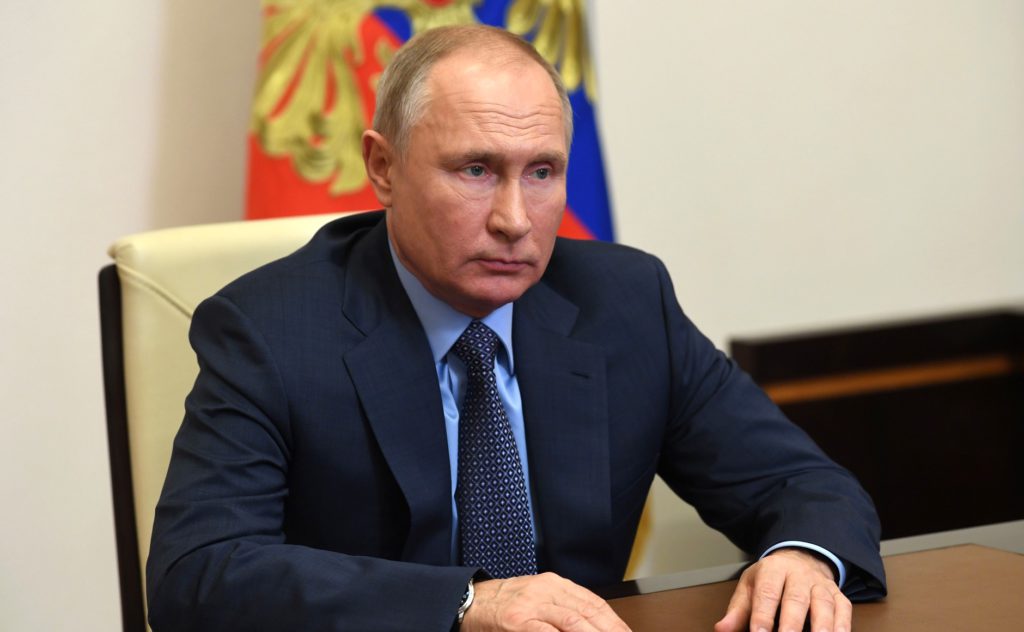
Russia is considering a windfall tax on some commodity producers and banks as the Kremlin seeks additional funds to plug a budget gap amid rising war-related spending, according to people familiar with the matter.
The Finance Ministry is weighing the new windfall levy on businesses as the 2022 invasion of Ukraine continues. No final decision has been made, with detailed discussions likely to begin in the second half of the year as part of a new budget cycle, the people said, asking not to be identified because the information isn’t public.
Potential targets include some commodities firms like top gold producer Polyus PJSC and mining giant MMC Norilsk Nickel PJSC, as well as closely held banks, they said.
Russia’s war economy slowed last year as the budget deficit widened, forcing the government to seek additional revenue sources, including an increase in the value-added tax starting this year.
The government press service didn’t immediately reply to a request seeking comment, while Norilsk Nickel and Polyus declined to comment.
Russia previously took a decision in 2023 to make big business pay a windfall tax as the budget came under pressure following the start of the war on Ukraine. The Finance Ministry is targeting a fiscal deficit of about 1.6% of gross domestic product this year after a shortfall of 2.6% in 2025.
The prospect of the another levy comes as Russia’s GDP likely contracted in the first quarter after output fell almost 2% in the first two months, marking the first quarterly decline since early 2023. A measure of Russia’s business climate turned negative last month for the first time since the war on Ukraine began.
The idea of additional taxes resurfaced after President Vladimir Putin held a closed-door meeting with a group of billionaires in March, when one of them offered to contribute a large sum to the state, a proposal welcomed by the Kremlin. Local outlet The Bell reported that Suleiman Kerimov, whose family made its fortune through a stake in Polyus, offered to donate 100 billion rubles ($1.3 billion) to the budget, a claim that couldn’t be independently verified.
While many industries in Russia, from steel and coal to retail, are under strain as high interest rates curb demand and some commodity prices decline, others are holding up relatively well due to favorable export pricing.
Gold hit a record above $5,500 an ounce in January and, despite easing since then, prices remains elevated. Copper, where Norilsk Nickel is Russia’s largest producer, is also trading near record highs at more than $13,000 a ton, while nickel and platinum group metals prices remain strong.
Oil, fertilizers and aluminum prices are also high as they are affected by the war in the Middle East.
Russian lenders earned 3.5 trillion rubles in 2025 and, even as the year-on-year figure declined 8%, many still enjoy high profitability, according to central bank data.
Read More: Russian central bank sold 700,000 oz. of gold in 2026
More News

{{ commodity.name }}
{{ post.title }}
{{ post.date }}
Comments